
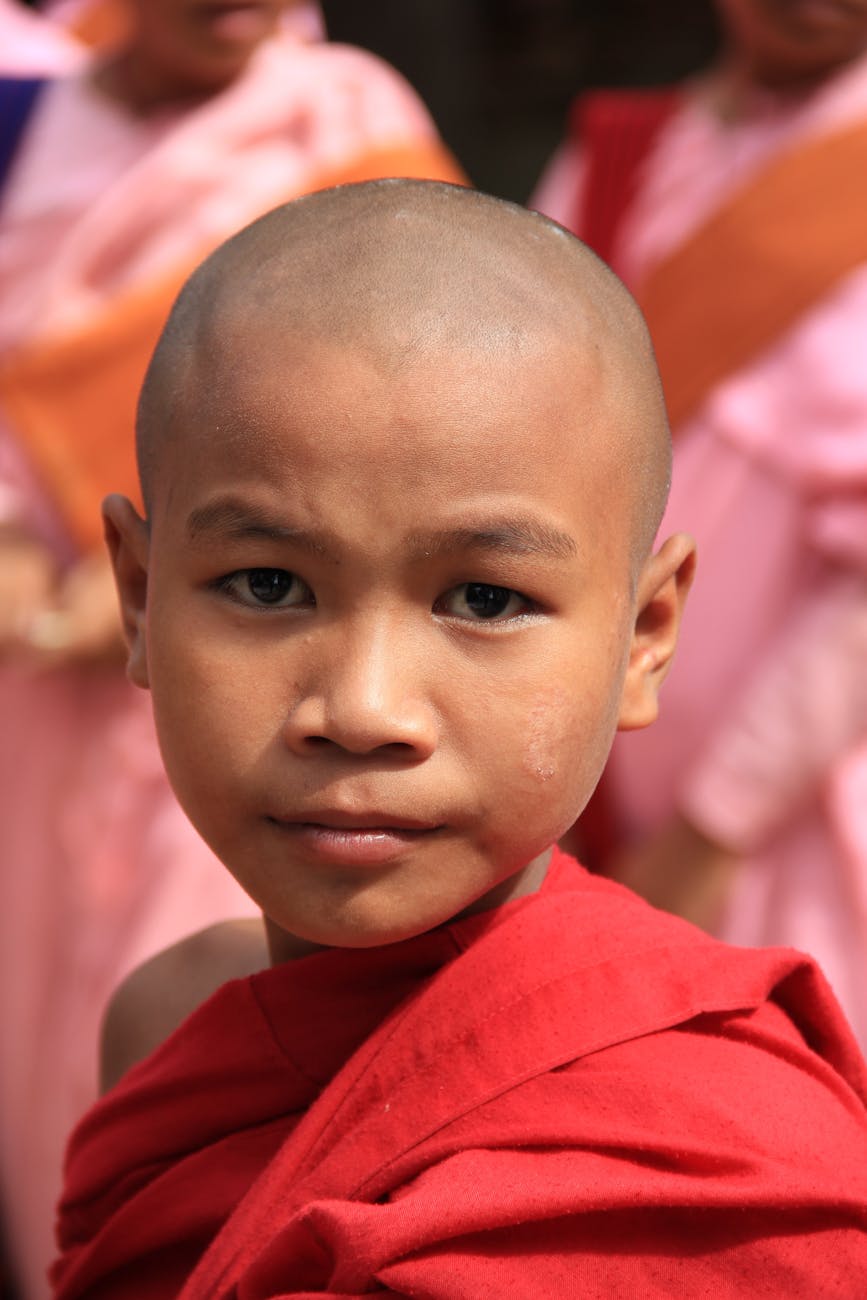
Preserving Rohingya Language and Culture: Challenge of Rohingya Children Refugee
The Forgotten Voices – Understanding the Rohingya Language and Refugee Crisis
In the midst of one of the world’s most dire refugee crises, the Rohingya people have endured unspeakable hardships, their voices often silenced or overlooked. This article aims to shed light on the rich tapestry of their language and culture, delving into the complexities of their history and their ongoing plight as refugees. By raising awareness of their struggles, we hope to foster greater understanding, empathy, and support for this persecuted ethnic minority.
Rohingya Language – A Linguistic Journey
What is the rohingya language and where did it originate? The rohingya language is an eastern Indo-Aryan language belonging to the Bengali-Assamese branch, closely related to the Chittagonian language spoken in neighboring Bangladesh. It serves as the primary means of communication for the Rohingya people, an ethnic minority group native to Myanmar’s Rakhine State (formerly known as Arakan).
Rohingyas – A People Stripped of Citizenship
Who are the rohingya people, and why are they refugees? The Rohingyas are a Muslim minority group who have faced systematic discrimination and persecution in Myanmar, a predominantly Buddhist country. Despite their centuries-long presence in the region, the Burmese government has denied them citizenship, rendering them stateless and vulnerable to human rights abuses.
The Exodus to Bangladesh – A Desperate Journey
Why have so many rohingya refugees fled to neighboring bangladesh? In the wake of escalating violence and a brutal military crackdown in 2017, over 1 million Rohingya fled Myanmar, seeking refuge in overcrowded camps across the border in Bangladesh. This mass exodus was a desperate attempt to escape what the United Nations has labeled a “textbook example of ethnic cleansing.”
Language as a Lifeline – Preserving Identity and Culture
How does the rohingya language play a role in preserving their identity and culture? For the Rohingya people, their language serves as a vital link to their heritage and cultural identity. In the face of displacement and adversity, the ability to speak and understand their mother tongue provides a sense of belonging and continuity, helping to preserve their rich traditions and way of life.
Challenges of Language Barriers in Refugee Camps
What language barriers do rohingya refugees face in the camps? Despite the presence of thousands of Rohingya refugees in Bangladesh, language barriers remain a significant obstacle. Many aid workers and volunteers struggle to communicate effectively, hindering the delivery of essential services and hampering efforts to understand and address the unique needs of this vulnerable population.
Promoting Education – Empowering Rohingya Children
How can education help empower rohingya children and preserve their language? Education is a powerful tool for breaking the cycle of poverty and displacement. By providing quality education in their native language, Rohingya children can not only acquire essential skills but also maintain a strong connection to their cultural roots, ensuring the preservation and transmission of their language to future generations.
The Role of Interpreters – Bridging the Communication Gap
How can interpreters help bridge the communication gap for rohingya refugees? Professional interpreters play a crucial role in facilitating communication between Rohingya refugees and aid organizations, medical professionals, and government agencies. By accurately conveying information and ensuring effective two-way communication, interpreters help to bridge the language barrier, fostering understanding, and enabling access to vital resources and services.
LanguageXS – Empowering the Rohingya Community
How can companies like LanguageXS help the rohingya community? LanguageXS, a leading provider of language services, recognizes the importance of language accessibility for the Rohingya community. Through our convenient online and over-the-phone interpretation services in the Rohingya language, we aim to empower individuals and families by breaking down communication barriers, fostering inclusivity, and ensuring that essential information and resources are readily available.
In conclusion, the Rohingya language is not just a means of communication; it is a powerful symbol of resilience, identity, and cultural preservation for a people who have endured unimaginable hardships. By raising awareness of their struggles and promoting language accessibility, we can play a role in amplifying their voices and supporting their journey towards a more just and equitable future.
Key Takeaways:
- The Rohingya language is an eastern Indo-Aryan language closely related to Bengali and Chittagonian.
- The Rohingya people have faced systematic persecution and denial of citizenship in Myanmar, leading to a mass exodus to refugee camps in Bangladesh.
- Language serves as a vital link to cultural identity and heritage for the Rohingya community.
- Overcoming language barriers in refugee camps is crucial for effective service delivery and understanding the unique needs of Rohingya refugees.
- Education in the Rohingya language empowers children and preserves cultural continuity.
- Interpreters play a vital role in bridging communication gaps between Rohingya refugees and aid organizations, medical professionals, and government agencies.
- Companies like LanguageXS offer language services that can empower the Rohingya community by ensuring access to information and fostering inclusivity.
FAQ: Understanding the Rohingya Language and LanguageXS Translation Services
Why is language access important for the Rohingya community?
For the Rohingya refugees, being able to communicate in their native Rohingya language is crucial. Many have faced trauma and upheaval, and their language serves as a lifeline, helping to preserve their cultural identity and ease the difficulties of displacement. However, language barriers can severely hinder access to essential services, information, and support within the refugee camps and diaspora communities.
How can LanguageXS’s over-the-phone translation services help Rohingya speakers?
LanguageXS offers convenient over-the-phone interpretation in the Rohingya language, bridging the communication gap between Rohingya speakers and service providers, aid organizations, medical professionals, and government agencies. Our interpreters are highly trained and culturally competent, ensuring accurate and respectful translation.
What are some common use cases for Rohingya language interpretation?
Rohingya language interpretation can facilitate communication in various settings, such as:
- Healthcare: Ensuring accurate communication between Rohingya patients and medical staff for diagnosis, treatment, and follow-up care.
- Legal Assistance: Helping Rohingya refugees navigate complex legal processes, such as asylum claims and immigration proceedings.
- Social Services: Enabling access to essential services like housing, education, and employment assistance.
- Emergency Response: Providing critical information and support during natural disasters or crisis situations.
How can I access LanguageXS’s Rohingya language interpretation services?
LanguageXS offers a user-friendly process for accessing our Rohingya language interpretation services. Simply visit our website or contact our customer support to request an interpreter. You can then connect with the interpreter via a scheduled phone call or through our on-demand service.
By offering accessible language services tailored to the needs of the Rohingya community, LanguageXS aims to empower individuals, families, and organizations to communicate effectively, fostering understanding and inclusivity for this persecuted minority group.
FAQ: Understanding the Rohingya Language and LanguageXS Translation Services
Why is language access important for the Rohingya community?
For the Rohingya refugees, being able to communicate in their native Rohingya language is crucial. Many have faced trauma and upheaval, and their language serves as a lifeline, helping to preserve their cultural identity and ease the difficulties of displacement. However, language barriers can severely hinder access to essential services, information, and support within the refugee camps and diaspora communities.
How can LanguageXS’s over-the-phone translation services help Rohingya speakers?
LanguageXS offers convenient over-the-phone interpretation in the Rohingya language, bridging the communication gap between Rohingya speakers and service providers, aid organizations, medical professionals, and government agencies. Our interpreters are highly trained and culturally competent, ensuring accurate and respectful translation.
What are some common use cases for Rohingya language interpretation?
Rohingya language interpretation can facilitate communication in various settings, such as:
- Healthcare: Ensuring accurate communication between Rohingya patients and medical staff for diagnosis, treatment, and follow-up care.
- Legal Assistance: Helping Rohingya refugees navigate complex legal processes, such as asylum claims and immigration proceedings.
- Social Services: Enabling access to essential services like housing, education, and employment assistance.
- Emergency Response: Providing critical information and support during natural disasters or crisis situations.
How can I access LanguageXS’s Rohingya language interpretation services?
LanguageXS offers a user-friendly process for accessing our Rohingya language interpretation services. Simply visit our website or contact us vial email or phone to request an interpreter. You can then connect with the interpreter via a scheduled phone call or through our on-demand service.
By offering accessible language services tailored to the needs of the Rohingya community, LanguageXS aims to empower individuals, families, and organizations to communicate effectively, fostering understanding and inclusivity for this persecuted minority group.