
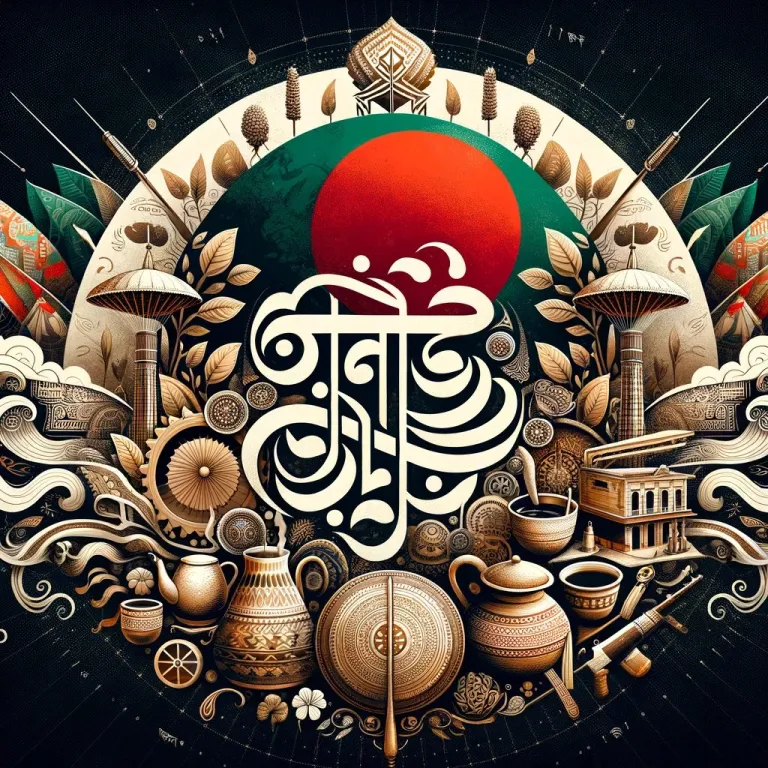
The Rich Cultural Heritage of the Sylheti Language
The Sylheti language has a vibrant history and a thriving community of speakers, yet remains relatively unknown outside of Eastern South Asia. In this article, we’ll explore the origins and alphabet of Sylheti, examine its role within the Bangladeshi and Indian diasporas, and discuss the importance of Sylheti language services.
Sylheti is an Indo-Aryan language primarily spoken in the Sylhet region of Bangladesh as well as parts of the nearby Indian states of Assam and Tripura. With an estimated 11 million speakers worldwide, it is one of the more widely spoken languages in Eastern India and Bangladesh.
Background on the Sylheti Community in the USA
There is a sizeable Sylheti-speaking population in the United States, estimated at around 95,000 people. The majority live in New York City, which has been home to a Bangladeshi community since the 1970s. Many Sylhetis initially came to New York to work in the restaurant industry, establishing businesses like curry houses and halal carts.
Over time, the Sylheti community in NYC has grown more prosperous. Today it includes many successful business owners, doctors, engineers, and other professionals. A key factor that has enabled their upward mobility is the strong sense of community and support networks amongst Sylheti immigrants. Cultural institutions like the Jalalabad Benevolent Society of New York help maintain their shared heritage.
The Origins and Script of the Sylheti Language
Linguists believe Sylheti diverged from its parent language, Bengali, between the 14th and 18th centuries. It is considered an Eastern Indo-Aryan language, related to but distinct from the Bengali spoken in West Bengal. Some key differences are in pronunciation and vocabulary.
The proud linguistic heritage of the Sylhet region dates back many centuries. Since the ancient kingdom of Srihatta, literature and poetry has been composed in the local language. Sylheti shares the same Perso-Arabic script as Bengali known as the Sylheti Nagri. Historically it was also sometimes written in the Kaithi script.
In more recent times, a renewed interest in protecting and promoting the Sylheti language has emerged. Enthusiasts are campaigning for greater official recognition of Sylheti as an independent language, increased literary output, and teaching it to future generations.
When Interpreter Services Become Indispensable
There are many situations where having interpreter services available makes an immense difference for Sylheti speakers interacting with English-speaking businesses and institutions.
In healthcare settings, having interpreters helps patients communicate symptoms accurately and understand doctors’ instructions. It provides vital clarification that could impact the diagnosis and treatment.
For legal proceedings, interpreters enable defendants, witnesses, and victims to participate fully and ensure their testimony is represented precisely.
In schools, interpretation helps bridge the language gap between Sylheti-speaking parents and teachers. Conferences and meetings are far more productive with clear two-way communication.
Over-the-phone interpreting is tremendously useful for Sylheti speakers contacting customer service departments, utility companies, banks and other essential services. Removing language barriers helps avoid misunderstandings and speeds up problem resolution.
Remote interpreting has also become popular, enabling interpretation without requiring the interpreter to be physically present. This expands access to interpretation services for the Sylheti community across contexts.
The Value of Professional Interpreters
It’s important for institutions and businesses serving Sylheti clientele to utilize trained, professional interpreters. Relying on family, friends or other staff to interpret can lead to inaccuracies, breaches of confidentiality or other issues.
With professional Sylheti interpreters, clients can trust that:
- The interpreters abide by strict codes of conduct and ethics.
- They will accurately convey all details between parties without omission.
- Any sensitive personal or health information remains completely confidential.
- The interpreters have passed rigorous assessments to verify language fluency.
- Ongoing training is provided on industry best practices and guidelines.
Using professionally qualified Sylheti interpreters ensures effective communication and positive outcomes for all involved.
LanguageXS Sylheti Language Interpreting Services
At LanguageXS, we specialize in providing expert Sylheti interpreters across diverse industries. Our robust screening process and interpreters’ average years of experience means we only connect clients with the best.
Some of our most in-demand Sylheti interpreting services include:
- Over-the-Phone Interpreting – We provide real-time phone interpretation in more languages. It’s fast, convenient and facilitates clear communication.
- Remote Interpreting – Our remote interpreters deliver the face-to-face experience virtually. It’s the next best thing to being in the same room.
- Document Translation – We translate any English materials like medical records, legal forms, brochures, websites and more into Sylheti.
- Language Testing – We evaluate candidates’ Sylheti and English proficiency so you can be confident in their abilities.
With LanguageXS Sylheti interpreters, you can trust you are getting highly qualified linguistic and cultural experts. Reach out today to start using our Sylheti services for your business needs!
Frequently Asked Questions About Sylheti Language Services
How is Sylheti different from Bengali?
Sylheti has differences in vocabulary, pronunciation, and grammar compared to standard Bengali. It is sometimes considered a regional dialect, but many argue it has diverged enough over centuries to be its own language.
Will Sylheti speakers understand a Bengali interpreter?
Not necessarily. While the languages are related, the significant variations may impede comprehension for Sylheti speakers listening to Bengali. To prevent miscommunication, it is ideal to work with professional interpreters fluent in Sylheti specifically.
What training do your Sylheti interpreters have?
Our interpreters complete rigorous screening in Sylheti and English fluency. They receive training on interpreter ethics, industry standards and practical techniques. Their credentials are thoroughly verified and they must maintain ongoing continuing education.
How much do Sylheti interpretation services cost?
Our Sylheti interpreting rates are very competitive and cost-effective. Exact pricing depends on factors like language, interpreter experience level, and service type. We provide customized quotes for your specific needs. Discounts may also be available for bulk usage.
Can your interpreters translate documents too?
Yes, our interpreters are experienced translators. We can translate any English materials like brochures, medical forms, legal documents and more into Sylheti or other languages. Just provide us the documents and specifics of your project.
How do I schedule a Sylheti interpreter with LanguageXS?
You can request an interpreter or translation quote online at our website www.languagexs.com. Or call our 24/7 customer service line and select the Sylheti language option. We will find you a qualified interpreter or translator for any situation.
Conclusion: Preserving Sylheti Heritage Through Language Services
The Sylheti vernacular has a rich literary and cultural history in South Asia. Yet as immigrant communities assimilate and younger generations gravitate toward dominant languages, heritage languages like Sylheti risk declining.
Professional language services can help counteract this by making Sylheti more visible and accessible globally. Quality interpretation and translation provides equal access to vital services while allowing Sylheti speakers to retain their native language.
With expert linguists on hand through agencies like LanguageXS, Sylheti can remain a thriving, dynamic language. Its unique beauty and heritage can continue inspiring future artists and writers. Successive generations can enjoy Sylheti as a living, evolving language that connects them to their roots.