
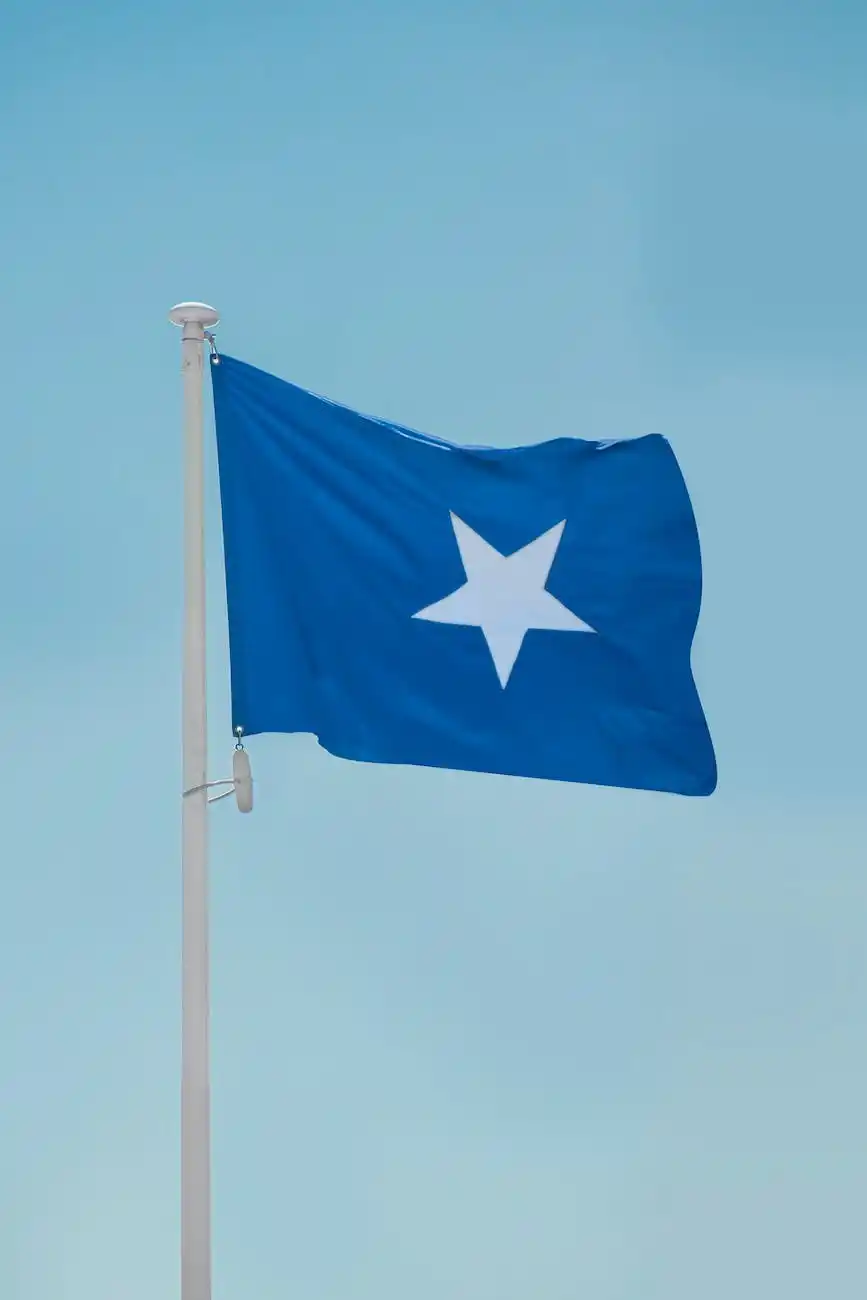
Empowering the Somali Community in Columbus OH and across US through Language Interpreting Services
Preserving Somali Cultural Identity in Columbus Through Language
Columbus, Ohio is now home to over 45,000 Somalis – one of the largest communities in North America. As Somali refugees rebuild their lives, community organizations provide key services while working to maintain cultural ties. An essential area of support is access to convenient online Somali language translation and interpretation.
The Historical Context of Somali Migration
The migration of Somalis to Columbus, Ohio, is part of a larger narrative that spans decades of history marked by civil unrest, economic challenges, and the search for peace and stability. Since the collapse of the central government in Somalia in 1991, millions have been displaced, seeking refuge around the world. Understanding this historical context is crucial to comprehending the resilience and determination of the Somali people. Their journey to places like Columbus is not just a search for safety but a testament to their unwavering hope for a better future. This backdrop highlights the importance of the support systems in place in Columbus, designed to ease the transition and empower Somalis to rebuild their lives with dignity.
Why Do Somalis Migrate to Columbus?
Columbus offers an affordable cost of living, availability of entry-level jobs in industries like warehousing and agriculture, and a growing Somali community. These draw refugees and immigrants settling with relatives as they escape turmoil in Somalia. Maintaining cultural identity through language helps Somali people adjust to their new home.
What Support Do Somalis Receive in Columbus, OH?
Various nonprofits assist Somalis with key services:
- Housing – Securing affordable housing and support understanding leases.
- Employment – Job search help, skills workshops, vocational ESL classes.
- Youth Programs – After-school activities to develop confidence and leadership abilities.
- Cultural Events – Traditional dance performances, poetry readings, fashion shows.
- Language Support – Somali reading groups, computer literacy courses in Somali.
These programs rely heavily on Somali-speaking staff and volunteers to communicate guidance and resources effectively to community members of all ages and backgrounds.
What are the main challenges for Somalis building new lives in Columbus?
Somali immigrants and refugees face considerable challenges integrating into American society. Many arrive with little formal education and English language skills after spending years in refugee camps. Securing living-wage employment is difficult without recognized credentials or work experience. Cultural and language barriers also impede access to healthcare and government services. Somali youth can feel alienated trying to balance their cultural identity between Somali traditions and American culture.
Building Partnerships for Resettlement
The Somali community resettlement in Columbus has been helped by partnerships with community organizations like the Columbus State Community College and ethnic Somali groups. Research from the Pew Research Center shows Columbus has one of the largest Somali populations in North America, with over 45,000 refugees from Somalia now living in the area.
The resettlement and integration process relies on the support of community leaders and volunteers who understand immigrants and welcome their contributions. First Somali nonprofits like the Somali Community Association link newcomers to essential services while volunteers provide cultural and social support. Somali entrepreneurs give back through partnerships that offer vocational training, computer skills programs, and employment assistance to refugees striving for financial independence. These collaborative efforts between established community institutions and dynamic Somali groups enable effective refugee resettlement while preserving cultural identity.
Why Do Language Services Matter for Successful Integration?
Somalis arriving in Columbus often have limited formal education and English skills. Adapting to an entirely foreign culture creates significant psychological stress. Communicating complex bureaucratic processes or healthcare concepts is difficult without precise Somali vocabulary.
Enabling Somalis to access services in their native language:
- Increases trust and willingness to seek help from institutions.
- Allows nuanced communication to address unique family issues.
- Reduces misinformation that leads to treatment non-compliance.
Bilingual social workers, job counselors, nurse liaisons thus provide critical language access between organizations andclients.
How Do Language Barriers Worsen Integration Challenges?
Without interpretation support, language gaps exacerbate issues Somalis face in systems like:
Healthcare
- Missing preventative screenings and checkups.
- Not understanding treatment plans or medication instructions.
- Higher morbidity rates from improperly managed chronic conditions.
Housing
- Unaware of rights/responsibilities as tenants.
- Hesitant to advocate for better living conditions.
- Targets for predatory landlords.
Employment
- Unable to pass written/verbal screening exams in English.
- Missing out on job training opportunities.
- Stuck in unstable low-wage work.
This shows the importance of on-demand phone interpretation services and Somali translators to backstop daily language needs.
Strengthening Community Bonds Through Language and Education
In addition to providing immediate language support, there’s a significant focus on education within the Somali community in Columbus. Initiatives aimed at both children and adults work to strengthen literacy and educational attainment, crucial for long-term success. For instance, programs that pair Somali children with tutors for homework help and language acquisition not only aid in academic achievement but also reinforce Somali language skills, ensuring the dual identity of Somali-American youths is celebrated. Furthermore, adult education classes in English and Somali empower parents to better navigate their new environment, participate more fully in their children’s education, and secure better employment opportunities. These educational initiatives foster a sense of community solidarity and forward momentum.
What Special Services Help Somali Youth Succeed?
Somali youth grow up straddling two cultures which can cause isolation and identity struggles. Specific academic and emotional support is essential so students don’t fall behind:
- After-School Tutoring – With bilingual classroom aides for personalized math/reading help.
- College Prep – Assistance navigating applications and the transition to higher education.
- Teen Support Groups – Led by mental health counselors to discuss issues of belonging, self-esteem, family relationships.
- Sports Teams – Help make friends and develop leadership abilities.
These programs allow Somali youth to get assistance in ways comfortable for them while envisioning future careers.
Having relatable Somali staff on hand eases discussions of sensitive topics – crucial for success.
How Does Somali Culture Enliven Columbus?
Beyond just serving needs, Somalis inject Columbus with cultural riches:
- Entrepreneurship – Somalis have founded restaurants, groceries, clothing stores. These ventures create diverse jobs.
- Cuisine – Somali eateries introduce locals to rich meat and vegetable dishes with global spices.
- Literary Arts – Somali poetry events build intercultural bridges of understanding.
Participating in Somali cultural events combats stereotyping – especially valuable in the current political climate facing immigrants.
More Somali arts would let community talent shine while attracting visitors to Columbus’ global profile.
Why Invest Further in Somali Language Services?
While essential services are provided by groups like the Somali Community Association of Ohio, more large-scale language access would ease integration complexities:
- Hiring full-time Somali interpreters in hospitals would vastly improve healthcare quality.
- Making social services intake/paperwork available in translated Somali formats would increase families getting urgently needed aid.
- Multi-language signage in government buildings will direct Somalis to the proper departments.
County and city agencies should also expand existing contracts with on-demand phone interpretation firms like LanguageXS. Around-the-clock professional Somali interpreters can backstop daily language needs at reasonable rates.
Investing in these language services ultimately allows Somalis to more actively participate in Columbus institutions – enabling newcomers to settle successfully while sharing their vibrant culture.
Frequently Asked Questions on LanguageXS Somali Services
How Can LanguageXS Support Columbus’ Somali Community?
As detailed in this article, language barriers significantly hinder integration for Somali refugees and immigrants in crucial areas like healthcare, housing, education and employment. Professional interpretation services are vital but underutilized. LanguageXS can fill these gaps
What services does LanguageXS provide to the Somali community?
- Somali interpreters available 24/7 by phone
- Translation of documents like leases and medical forms into Somali
How can Somalis access LanguageXS interpreters?
Somalis can connect with a Somali interpreter in seconds for any needed discussion – with service providers, landlords, teachers etc. Just call us at (207) 544-6804 and specify Somali language.
How can LanguageXS help healthcare providers serve Somalis better?
Our interpreters enable precise doctor-patient communication and understanding of treatment instructions. We translate medical paperwork to increase consent form compliance and follow-ups.
How can LanguageXS assist Somali youth programs?
We provide interpreters for parent-teacher meetings, translating permission slips/notices.
Can LanguageXS support Somali entrepreneurs?
Yes, our interpreters facilitate business meetings, property showings, negotiating lease terms between Somali businessmen and English-speaking partners – enabling deals.
With comprehensive language access, organizations in Columbus can effectively serve the thriving Somali community. Contact LanguageXS today to enable inclusion!
Key Things to Remember:
- Columbus is now one of the main Somali diaspora hubs in North America. But language barriers impede integration.
- Community nonprofits provide essential translation services alongside housing, employment, and youth programs.
- Supporting the Somali language allows better healthcare access, education, and cultural exchange – benefiting greater Columbus.
- Groups like LanguageXS offer convenient over the phone interpretation to assist Somalis in their daily lives. More contracts with similar professional language services should be supported.
- Continuing to invest in the translation infrastructure that links the Somali community to health systems, schools, and businesses will strengthen the inclusive social fabric of central Ohio.