
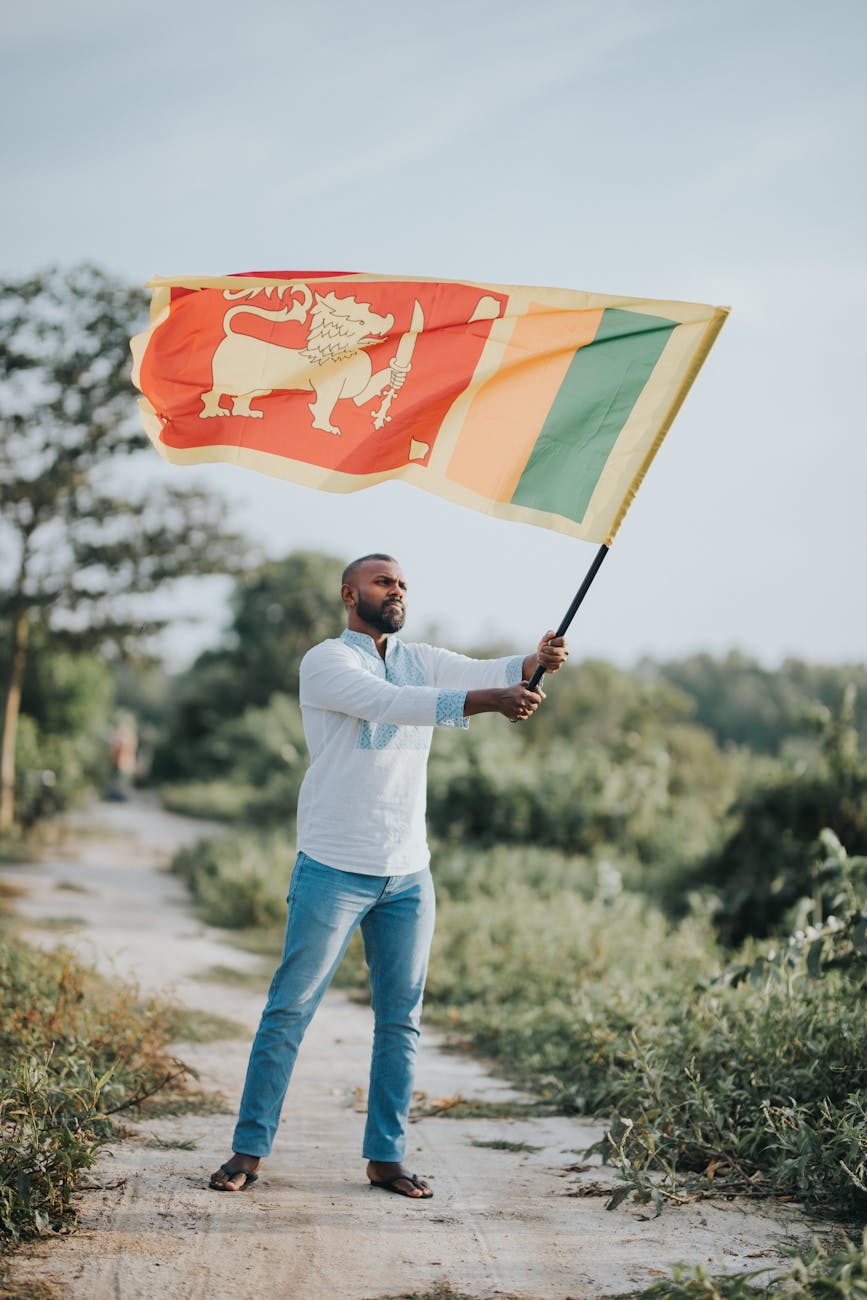
Exploring the Richness of Sinhala: Sinhalese Language of Sri Lanka
Unveiling the Captivating World of the Sinhala Language
The Sinhalese language is a linguistic gem with deep roots in Sri Lanka’s vibrant culture and history. With its melodious tones and ancient origins, this Indo-Aryan language has fascinated linguists and culture enthusiasts alike. This article explores the fascinating intricacies of the Sinhala language, exploring its development, its meaning and the lives of its speakers.
Why should you read this article?
If you are intrigued by the tapestry of languages that weave our world’s rich cultures, then this article is one you should read. It provides an in-depth exploration of the Sinhalese language, revealing its historical roots, unique characteristics and lasting influence in shaping the identity of the Sinhalese people. Whether you are a language enthusiast, a traveler wanting to better understand Sri Lankan culture, or someone interested in the world’s linguistic diversity, this article promises to be an informative journey. and attractive.
What Is the Evolution of the Sinhala Language?
The Sinhala language has a long and intricate history that spans centuries. Its origins can be traced back to the ancient Indo-Aryan language family, with strong influences from Pali and Sanskrit. The evolution of the Sinhala language is a testament to the rich cultural tapestry of Sri Lanka and the enduring impact of Buddhism on the island nation.
How Did the Sinhala Script Develop?
The Sinhala script is a fascinating aspect of this language. It is a descendant of the ancient Indian Brahmi script, closely related to the Kadamba script used in southern India. The oldest Sinhalese Prakrit inscriptions found are from the third to second century BCE, following the arrival of Buddhism in Sri Lanka.
What Role Did Pali and Sanskrit Play in the Development of Sinhala?
Pali and Sanskrit had a profound influence on the development of the Sinhala language. Along with Pali, which played a major role in the development of Theravada Buddhist literature, Sanskrit also left an indelible mark on the literary and spoken forms of Sinhala.
How Does the Sinhala Alphabet Work?
The Sinhala alphabet is a syllabic script, where each consonant has an inherent vowel. This unique feature is similar to languages like Japanese, where the consonant carries its own vowel sound. Understanding the intricacies of the Sinhala alphabet is crucial for anyone seeking to master this language.
What Are the Two Main Varieties of Sinhala?
Sinhala has two main varieties: literary Sinhala and colloquial Sinhalese. Literary Sinhala is the formal, written form used in literary works, while colloquial Sinhalese is the spoken language used in everyday communication. This distinction highlights the linguistic phenomenon known as diglossia, where a single language has two distinct varieties for different contexts.
How Many People Speak Sinhala?
Sinhala is spoken by over 16 million people worldwide, with the majority residing in Sri Lanka, where it is one of the two official languages. It is the first language of the Sinhalese people, the largest ethnic group in Sri Lanka, and is also spoken by a minority of Sri Lankans in other parts of the world.
What Is the Significance of Sinhala in Sri Lankan Culture?
The Sinhala language is inextricably intertwined with the cultural fabric of Sri Lanka. It is not only one of the official and national languages but also plays a crucial role in preserving the island’s rich heritage, literature, and traditions. The language is deeply rooted in the Buddhist faith, as it has been the medium for transmitting and preserving Buddhist teachings and literature.
How Has the Vedda Language Influenced Sinhala?
The Vedda language, an indigenous creole still spoken by a minority of Sri Lankans, has left its mark on the Sinhala language. It is considered one of the main Indo-Aryan substrates that have influenced the evolution of the Sinhala language, making it a conspicuous example of the linguistic phenomenon known as language shift.
What Is the Word Order in Sinhala?
Sinhala follows a subject-object-verb (SOV) word order, similar to many other Indo-Aryan languages. This word order is an important aspect of the language’s grammar and syntax, influencing the way sentences are structured and understood.
What Role Does LanguageXS Play in Promoting Accessibility for Sinhalese Speakers?
LanguageXS is a company that offers convenient online and over-the-phone interpretation services for the Sinhalese-speaking community. These services play a significant role in making information more accessible and fostering inclusivity within their community. By bridging language barriers, LanguageXS empowers Sinhalese speakers to navigate various aspects of daily life, from healthcare to education and beyond, ensuring that language is never an obstacle to accessing essential services and information.
In conclusion, the Sinhala language is a rich tapestry woven with threads of history, culture, and linguistic diversity. Its evolution, influenced by Pali, Sanskrit, and the indigenous Vedda language, has given rise to a unique and captivating linguistic landscape. Whether you’re exploring the intricate nuances of the Sinhala script or delving into the cultural significance of this language, there is an abundance of fascinating insights to uncover. By understanding the Sinhala language, we gain a deeper appreciation for the vibrant culture of Sri Lanka and the enduring resilience of its people.
Remember:
- Sinhala is an Indo-Aryan language spoken by over 16 million people, primarily in Sri Lanka.
- The Sinhala script is a descendant of the ancient Indian Brahmi script.
- Pali and Sanskrit played a major role in the development of the Sinhala language.
- The Sinhala alphabet is syllabic, with each consonant carrying an inherent vowel.
- There are two main varieties of Sinhala: literary Sinhala and colloquial Sinhalese.
- The Sinhala language is deeply intertwined with the cultural heritage and Buddhist traditions of Sri Lanka.
- The Vedda language and other indigenous creoles influenced the evolution of the Sinhala language.
- Sinhala follows a subject-object-verb (SOV) word order.
- Services like LanguageXS promote accessibility and inclusivity for Sinhalese speakers.
Frequently Asked Questions: Sri Lanka
What languages does LanguageXS offer translation for?
LanguageXS provides professional interpretation in over 240 languages, including Sinhala – the official and national language of Sri Lanka spoken by the Sinhalese people.
How does the over-the-phone interpretation service work?
It’s simple! Just call LanguageXS and an operator will connect you with a qualified Sinhala interpreter in seconds. The interpreter will then facilitate communication between you and the Sinhalese speaker over the phone.
What situations can I use the Sinhala interpretation for?
The service is versatile for any situation – medical consultations, legal proceedings, business negotiations, you name it. It bridges the language barrier so Sinhalese speakers can communicate effectively.
Are the Sinhala interpreters qualified?
Absolutely. All LanguageXS interpreters are native speakers who are highly trained, experienced, and adhere to strict confidentiality protocols.
How is LanguageXS promoting language access for the Sinhalese community?
By offering on-demand Sinhala interpretation, LanguageXS plays a key role in making information and services more accessible to Sri Lankan immigrants and those of Sinhalese descent. It fosters inclusivity.
Is the Sinhala script related to other South Asian writing systems?
Yes, the Sinhala alphabet evolved from the ancient Indian Brahmi script and is closely tied to the Kadamba script used in southern India during that era.
Can I get Sinhala document translation too?
Certainly! In addition to interpretation, LanguageXS provides professional Sinhala document translation services for legal, medical, technical, and other materials.