
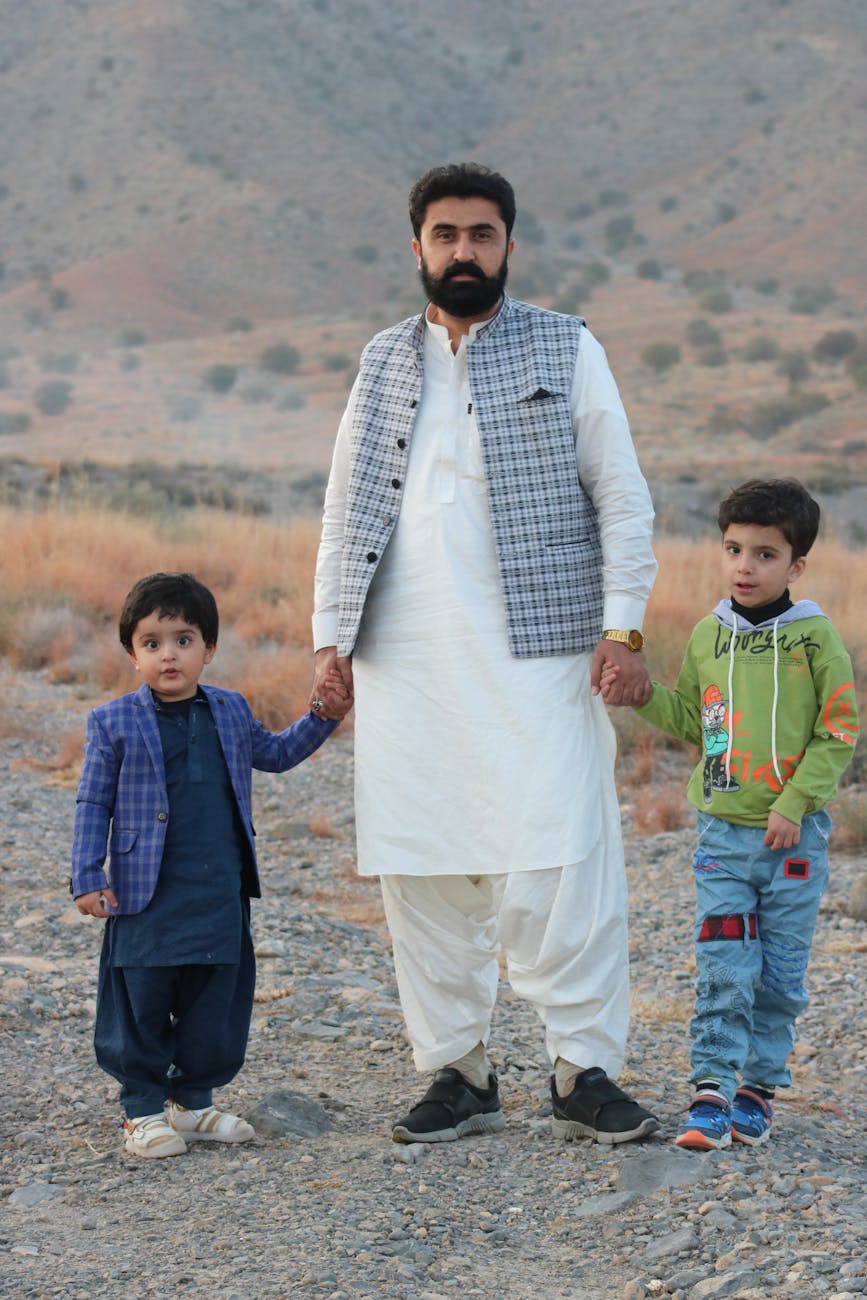
Saraiki People of Pakistan: A Deep Dive into Punjab’s Unique Culture
The Saraiki People and Their Ancient Sanskrit Origins: Unfolding the Linguistic Tapestry
Linguists and historians have been enthralled with the Saraiki people for a considerable amount of time due to their dynamic community and rich cultural legacy. This article explores the interesting world of the Saraiki people, focusing on their modern struggles in maintaining their distinctive identity as well as their deep-rooted ties to the old Sanskrit language. Join us on this journey as we explore how the translation of English to Sanskrit is essential to comprehending the cultural history of the Saraiki people and as we untangle the language web that connects them to their ancestral past.
What Characterizes the Saraiki People and Who Are They?
An ethnic group called the Saraiki people are mostly found in southern Punjab, Pakistan. Their unique identity is closely tied to their language, Saraiki, which belongs to the Indo-Aryan language family. What sets the Saraiki people apart is their rich cultural heritage, which has been shaped by centuries of historical influences, including the ancient Sanskrit language.
The Saraiki language, while distinct, shares many similarities with Sanskrit, the classical language of ancient India. This connection to Sanskrit has played a significant role in shaping the Saraiki people’s linguistic and cultural identity. Understanding this relationship requires delving into the realm of English to Sanskrit translation, which can provide valuable insights into the historical roots of the Saraiki language.
How Does the Saraiki Language Relate to Sanskrit?
The Saraiki language, like many other Indo-Aryan languages, has its origins in Sanskrit. This ancient language has left an indelible mark on the vocabulary, grammar, and phonology of Saraiki. To truly appreciate this connection, one must explore the intricacies of English to Sanskrit translation.
Many Saraiki words can be traced back to their Sanskrit origins through careful linguistic analysis. For example, the Saraiki word “मुंह” (munh), meaning “mouth,” is derived from the Sanskrit word “मुख” (mukha). This etymological connection becomes evident when using a Sanskrit dictionary or a Sanskrit-English dictionary to compare words across languages.
What Role Does Sanskrit Play in Saraiki Culture and Traditions?
Sanskrit’s influence on Saraiki culture extends far beyond linguistics. The ancient language has shaped various aspects of Saraiki traditions, literature, and religious practices. Many Saraiki folk tales and religious texts contain elements that can be traced back to Sanskrit literature.
To fully appreciate this cultural connection, it’s essential to engage in the process of translation from English to Sanskrit. This allows for a deeper understanding of the shared cultural elements between Sanskrit and Saraiki traditions. For instance, many Saraiki religious ceremonies incorporate mantras and prayers that have their roots in Sanskrit texts.
How Can English to Sanskrit Translation Tools Help in Studying Saraiki Culture?
In the digital age, various online Sanskrit typing tools and translation software have made it easier for researchers and enthusiasts to explore the connections between Saraiki and Sanskrit. These tools allow users to type in English and get the corresponding Sanskrit text, facilitating the study of linguistic similarities and cultural parallels.
One such tool is the Google Input Tool, which enables easy Sanskrit typing without the need to remember complex Sanskrit keyboard layouts. This technology has revolutionized the way researchers can analyze and compare Saraiki and Sanskrit texts, making the process of translation and transliteration more accessible than ever before.
What Challenges Do the Saraiki People Face in Preserving Their Language?
Despite their rich linguistic heritage, the Saraiki people face numerous challenges in preserving their language and culture. The dominance of other languages in the region, such as Urdu and Punjabi, has led to a decline in the use of Saraiki, especially among younger generations.
To combat this, there has been a growing interest in utilizing modern translation tools and online Sanskrit resources to revitalize the Saraiki language. By leveraging English to Sanskrit translation software and Sanskrit typing tools, language enthusiasts and educators are finding new ways to engage with and preserve the Saraiki linguistic tradition.
How Are Modern Technologies Bridging the Gap Between Saraiki and Sanskrit?
The advent of sophisticated translation software and online dictionaries has opened up new avenues for studying the relationship between Saraiki and Sanskrit. These tools allow users to translate English words to Sanskrit, facilitating comparative linguistic analysis.
For instance, online Sanskrit-English dictionaries provide instant access to a vast repository of Sanskrit words and their meanings. This enables researchers to trace the etymology of Saraiki words back to their Sanskrit roots, offering valuable insights into the evolution of the Saraiki language.
What Can We Learn from Saraiki-Sanskrit Linguistic Connections?
The study of Saraiki-Sanskrit linguistic connections offers a window into the rich tapestry of South Asian languages. By examining these connections through the lens of English to Sanskrit translation, we can gain a deeper understanding of how languages evolve and influence one another over time.
This linguistic exploration also sheds light on the cultural exchanges that have shaped the Saraiki people’s identity. The shared vocabulary and grammatical structures between Saraiki and Sanskrit reveal a long history of cultural interaction and mutual influence in the region.
How Can Sanskrit Typing Tools Enhance Saraiki Language Education?
The integration of Sanskrit typing tools in Saraiki language education can significantly enhance the learning experience. These tools allow students to easily type Sanskrit words using English alphabets, making it simpler to compare and contrast Saraiki and Sanskrit vocabulary.
By utilizing online Sanskrit typing software, educators can create interactive lessons that demonstrate the linguistic connections between Saraiki and Sanskrit. This approach not only makes learning more engaging but also helps students appreciate the historical depth of their language.
What Future Prospects Exist for Saraiki-Sanskrit Comparative Studies?
The field of Saraiki-Sanskrit comparative studies holds immense potential for future research. As more advanced translation tools and artificial intelligence technologies emerge, researchers will be able to perform higher quality translations and analyses of Saraiki and Sanskrit texts.
These advancements in translation software and online Sanskrit resources will enable scholars to uncover new insights into the shared linguistic heritage of the Saraiki people and the ancient Sanskrit-speaking civilizations. This research could potentially reveal previously unknown historical and cultural connections.
How Can We Support the Preservation of Saraiki Language and Culture?
Preserving the Saraiki language and culture requires a multi-faceted approach. One crucial aspect is increasing accessibility to resources that highlight the language’s connection to Sanskrit. This is where LanguageXS comes into play, offering invaluable services to the Saraiki-speaking community.
LanguageXS provides convenient over-the-phone interpretation and online translation services, making information more accessible to Saraiki speakers. These services play a vital role in fostering inclusivity and ensuring that the Saraiki people can engage with their linguistic heritage in meaningful ways.
By utilizing LanguageXS’s services, Saraiki speakers can more easily access resources related to Sanskrit, enhancing their understanding of their language’s roots. This increased accessibility not only aids in language preservation but also promotes cultural awareness and pride among the Saraiki community.
In conclusion, the exploration of the Saraiki people’s linguistic heritage and its connection to Sanskrit offers a fascinating glimpse into the rich tapestry of South Asian languages and cultures. Through the use of modern translation tools, Sanskrit typing software, and services like those offered by LanguageXS, we can continue to unravel the mysteries of this ancient linguistic connection and work towards preserving the unique identity of the Saraiki people.
Key takeaways:
-
- The Saraiki language has deep roots in Sanskrit, reflecting a rich cultural heritage.
-
- English to Sanskrit translation tools play a crucial role in studying Saraiki-Sanskrit connections.
-
- Modern technologies are essential in preserving and revitalizing the Saraiki language.
-
- Comparative studies between Saraiki and Sanskrit offer valuable insights into linguistic evolution.
-
- Services like LanguageXS are vital in making linguistic resources accessible to the Saraiki community.
-
- Preserving the Saraiki language requires a combination of technological tools and community engagement.
Frequently Asked Questions about Saraiki Language
How can LanguageXS help Saraiki speakers?
LanguageXS offers over-the-phone interpretation and online translation services, making information more accessible to the Saraiki-speaking community and fostering inclusivity.
Do I need to know Sanskrit to use LanguageXS services?
No, you don’t need to know Sanskrit. Our interpreters are fluent in Saraiki and can help bridge communication gaps without requiring knowledge of ancient languages.
Can LanguageXS help with English to Saraiki translation?
Yes, our services include translation between English and Saraiki, helping to overcome language barriers in various situations.
Is there a Sanskrit typing tool available through LanguageXS?
While we don’t offer a specific Sanskrit typing tool, our translation services can assist with converting Sanskrit text to Saraiki or English as needed.
How does LanguageXS ensure accurate translations for Saraiki speakers?
Our interpreters are native Saraiki speakers with deep understanding of the language’s nuances, including its connections to Sanskrit, ensuring high-quality translations.
Can LanguageXS help preserve the Saraiki language?
By providing accessible translation services, we contribute to keeping the Saraiki language alive and relevant in modern contexts, indirectly supporting its preservation.