
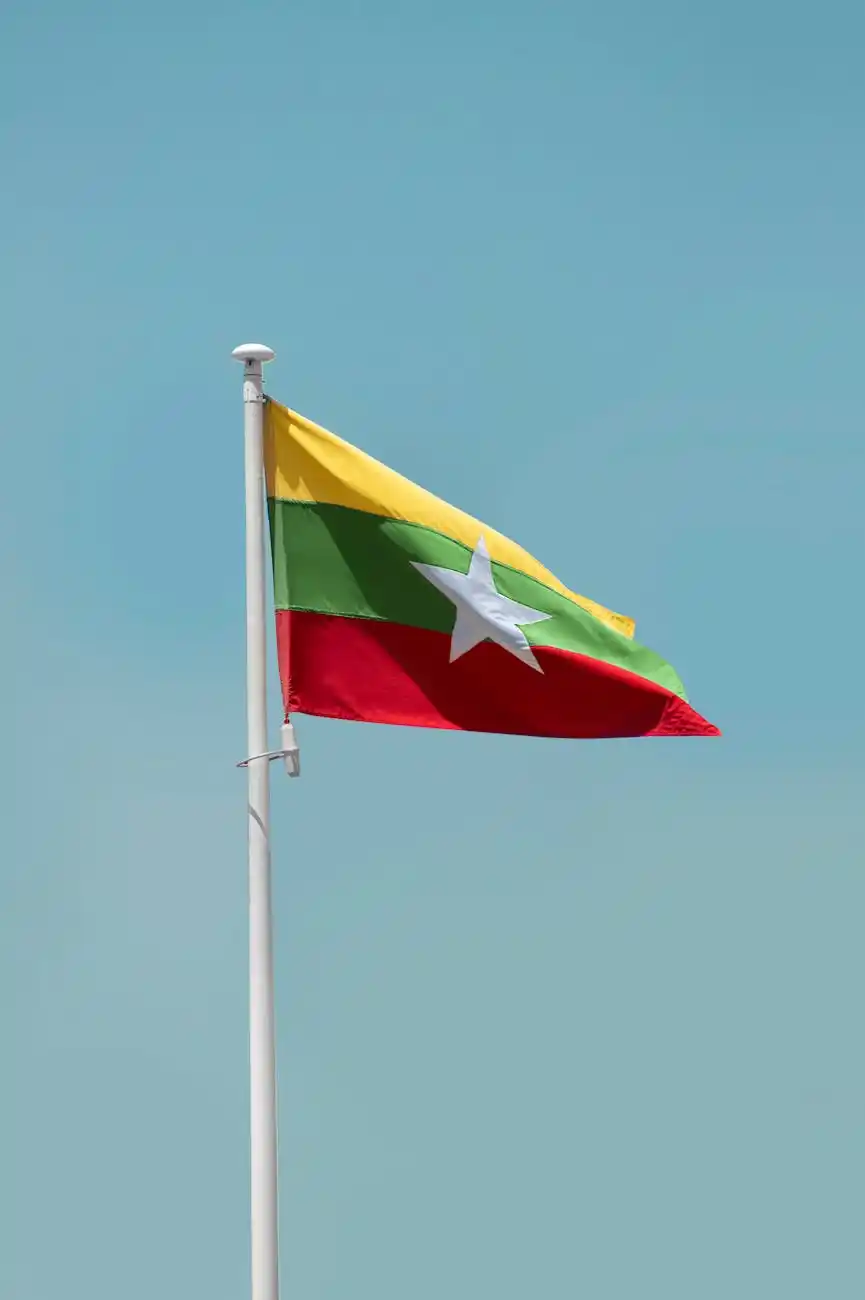
Exploring the Falam Language in Myanmar: How Translating Falam Serves Myanma People
Preserving the Falam Language and Culture in the USA
The Falam Chin people have a rich cultural heritage centered around their language. As the Falam Chin diaspora grows in the USA, maintaining connections to their ethnic identity is increasingly important. This article explores the Falam people, language, and culture – and how translation services can help bridge gaps for this community abroad.
Who Are the Falam Chin?
The Falam Chin are one of the Chin ethnic subgroups from the mountainous Chin State in western Myanmar (Burma). Numbering around 107,000 worldwide, most Falam Chin speak the Falam language. The capital of Chin State is Hakha, where about half the worldwide Falam population lives.
This largely Christian community has faced persecution in Myanmar. As a result, many have fled as refugees or migrants – with sizable Falam Chin populations now in Mizoram, India and across the USA.
Why Is the Falam Language Significant?
As the mother tongue of the Falam people, the Falam language is central to Falam culture and identity. It is spoken natively by around 69,00 people in Chin State, with other dialects like Lai, Zanniat, Tapong and Taisun closely related.
Falam did not historically have a writing system. But missionaries developed a Latin-based script for the language in the 1950s. This allowed the first Falam dictionary and Bible translation to be created – important milestones for the community.
What Are Some Key Aspects of Falam Culture?
The Falam Chin have an agrarian culture centered around subsistence rice farming. Living in remote mountain villages around Hakha, extended families traditionally work together to cultivate rice paddies and vegetable crops.
Most Falam Chin identify as Protestant Christians – mainly Baptists or Evangelicals. The religion deeply informs cultural practices like weddings, funerals and festivals like Chin National Day. Traditional Falam villages also have sacred community sites like Rih Lake – considered the origin place of the Chin people.
How Is the Falam Diaspora Preserving Their Culture Abroad?
Many Falam Chin have fled persecution in Myanmar to build new lives overseas as refugees or migrants. However, nourishing their cultural heritage in diaspora communities presents unique challenges – especially relating to language.
Without language access services, many elderly Falam Chin abroad risk cultural isolation. Younger generations also struggle connecting with their background when English dominates for work and school.
Organizations like the Chin Community Fellowship and Falam Baptist Churches are therefore vital cultural hubs overseas. These diaspora faith communities worship in Falam and celebrate Chin holidays – helping maintain a sense of Falam identity for displaced people.
What Translation Challenges Does the Falam Diaspora Face?
Falam Americans can struggle accessing healthcare, legal help and other essential services without quality translation available. Chin dialects have complex tonal and structural differences making accurate translation difficult. So professional mother-tongue translators are relied upon by overseas Falam Chin for important interactions.
Many elderly Falam Chin also speak limited English and Burmese – relying exclusively on native Falam fluency. So language barriers become especially isolating for this demographic abroad without translation assistance.
How Can Translation Services Help Preserve This Minority Culture?
Professional translation and interpreting facilitates cultural preservation and inclusion overseas. Reliable language access empowers Falam Chin abroad to uphold traditions, while navigating foreign systems.
Accurate legal and healthcare translations also prevent vulnerability or miscommunication for non-English speakers. So quality interpretation services are essential for equitable treatment of minority groups like the Falam diaspora.
Bridging Communication Gaps for the Falam Community
LanguageXS offers convenient phone and video interpreting to break down cross-cultural barriers. Their team of certified Falam translators helps Chin Americans access medical, legal, government and everyday services in their mother tongue.
By keeping language costs low, they make professional interpreters financially accessible nationwide for vulnerable groups. Alongside non-profit community support, such translation facilitates cultural retention for tight-knit diasporas like the Falam Chin.
Key Takeaways on the Falam Language and Culture
-
- The Falam Chin are an ethnic minority from Myanmar with a distinct cultural identity centered around their language.
-
- Persecution and instability has displaced many Falam overseas, presenting diaspora communities cultural retention issues.
-
- Accurate language translation and interpretation enables better inclusion and empowerment for minority groups abroad.
-
- Affordable mother-tongue translation access helps uphold traditions for displaced peoples like the Falam.
-
- Services like LanguageXS purposefully support minority language speakers through equitable interpreting.
The Falam Chin have persevered despite adversity – both in Myanmar and as displaced peoples overseas. Affirming their cultural legitimacy worldwide requires preserving traditions abroad – with language accessibility key for young and elderly generations alike. Prioritizing minority language translation promotes social equity and cross-cultural dialogue. So interpretation services intentionally bolster minority communities like the Falam diaspora, helping facilitate belonging in adopted homelands without forgoing their ethnic identity.
Frequently Asked Questions about Falam Translation Services
What services does LanguageXS provide for the Falam community?
LanguageXS offers convenient over the phone interpretation services to break down language barriers for Falam Americans. Our team of certified Falam translators empowers Chin community members to access medical, legal, governmental and everyday services in their native language.
Why is phone translation important for Falam speakers?
Many elderly Falam Chin only speak their mother tongue fluently. English or Burmese literacy can also be limited for first generation immigrants. So phone interpretation is essential for clear communication and equitable access to essential services.
What Falam dialects do your translators cover?
Our Falam interpreters are native speakers covering the major Chin State dialects like Hakha and Tedim Falam. We also translate related languages including Zotung and Matu.
How are your Falam interpreters qualified and assessed?
Our translators are rigorously vetted Falam speakers with specialist expertise in legal, healthcare and technical vocabulary. They undergo advanced training with ongoing evaluations to ensure accurate, culturally-sensitive interpretation.
Can you translate complex medical terminology?
Absolutely. Our medical Falam translators have healthcare industry experience translating complex anatomy, diagnoses and treatment information. We help Chin community patients navigate healthcare access, invoices and insurance.
Do you translate Falam language documents?
We provide accurate written Falam translation of legal notices, medical prescriptions, community information and more. This facilitates better understanding of English paperwork.
We hope these responses help explain our comprehensive Falam language services. Breaking down communication barriers empowers minorities and preserves cultural connections. Please get in touch if you need a Falam translator for any situation.