
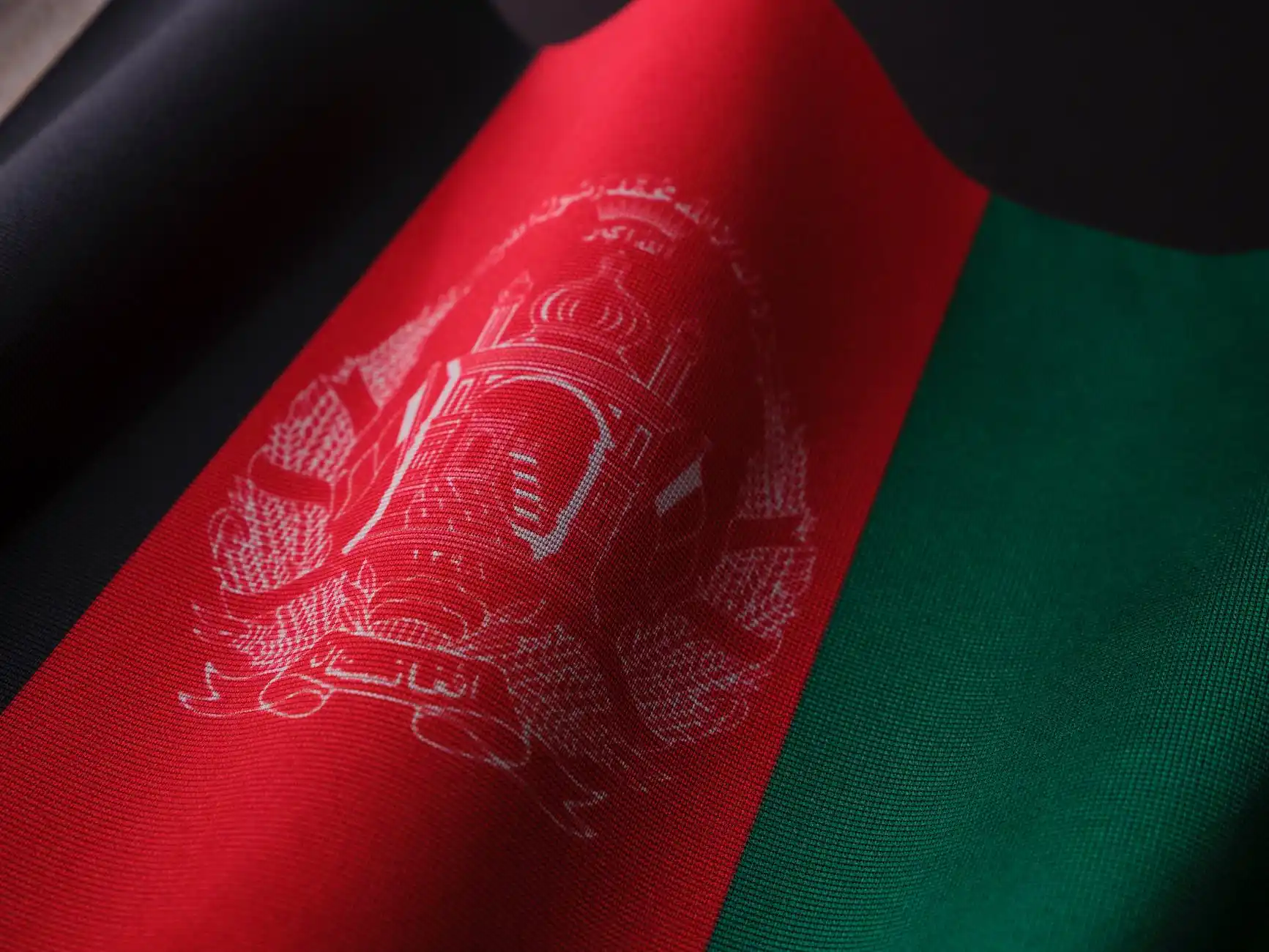
Online Pashtu to English Translation Services – Quickly and Accurately Translate Pashto Conversations
Pashtu to English: Unlocking Opportunities for Immigrant Families
For the nearly 40 million Pashto speakers around the world, communicating across languages can often get lost in translation. As more Afghan and Pakistani immigrants settle in America, bridging the cultural and linguistic divides through accurate Pashto to English translation becomes increasingly vital.
This comprehensive guide explores the origins, culture, and translation needs of Pashto speakers building new lives in the USA. Gain insights into Pashto language and customs while discovering how modern translation technologies are evolving to serve this distinctive community.
What Is Pashto and How Is It Spoken in Afghanistan and Pakistan?
Pashtu, also known as Pakhto, Pushto, or Pukhto, is an Eastern Iranian language spoken by the ethnic Pashtun people of Afghanistan and western Pakistan. With an estimated 40-60 million speakers globally, it is one of two official languages of Afghanistan alongside Dari.
Most Pashto speakers live in the Pashtunistan tribal region spanning southeastern Afghanistan and northern Pakistan. As a predominantly oral language passed down through generations, many different Pashto dialects have emerged across mountain villages and nomadic clans. This can make learning Pashto quite difficult for foreigners.
Key details about the Pashto language include:
-
- Ancient “Warrior” Language: Pashto is believed to have descended from Avestan, the sacred language of Zoroastrianism founded over 3500 years ago. It shares similarities with Persian and Kurdish.
-
- Complex Grammar Structure: Pashto relies heavily on grammatical case, gender, and verb conjugation. The vocabulary also includes many Arabic and Persian loanwords.
-
- Widely Spoken Among Refugees: Decades of wars and unrest have displaced over 2.7 million Pashtun refugees to Pakistan, Iran and further abroad. Few resources for displaced Pashto speakers exist.
With this context of Pashto’s origins and regional importance in mind, we can better understand the translation needs facing Afghan and Pakistani immigrants to English-speaking countries like the USA.
Why Do Pashto Speakers in America Need Translation Services?
In a land where English dominates everything from media and education to employment, healthcare and government services, Pashto speakers in America face major language barriers in their daily life.
Without accurate Pashto to English translation available, tasks as simple as reading paperwork, instructions, or bus routes easily become confusing. Meanwhile, the crushing isolation of being unable to express needs or understand conversations heightens stress levels for entire Pashtun families.
Translation barriers also severely restrict access to essential immigrant services like health screening, job applications, legal counsel, and school enrollment. Thankfully, advanced technologies now exist to bridge these divides.
Some key reasons Pashto speakers in America depend on translation services include:
-
- Navigating Daily Life: Reading street signs, bus routes, leases, bank documents, utility bills and using public services.
-
- Healthcare Access: Booking doctor visits, understanding prescriptions, filling out insurance paperwork and communicating symptoms/needs to hospital staff.
-
- Employment and Business: Translating academic credentials, resumes and interviews for professional jobs. Supporting Afghan entrepreneurs launching American ventures.
-
- Legal Matters: Interpreting asylum application questions, court summons, immigration documents, police statements and attorney meetings.
-
- Education Enrollment: Registering children for school and understanding report cards, disciplinary notices, parent-teacher conferences and permission slips.
-
- Preserving Cultural Identity: Translating religious texts like the Quran and Hadiths. Also bridging generational divides between traditional parents and assimilated American children.
On top of these daily translation needs, the COVID-19 pandemic has triggered strict health guidelines and restrictions wholly inaccessible to non-English speakers without translation support.
What Are the Biggest Mistakes Made in Pashto to English Translation?
Achieving flawless Pashto to English translation is extremely challenging even for bilingual speakers because of intricate grammar differences. Subtle dialectical variations between Afghan and Pakistani linguistic customs add another degree of difficulty.
Without proper quality control, critical mistakes can easily arise in vocabulary and intended meaning that jeopardize healthcare instructions, legal verdicts, employment details and other high-risk communications. Unfortunately, too many subpar language services still prevail.
Some common Pashto translation fails include:
-
- Over-Reliance on Word-for-Word Translation – Pashto’s flexible sentence structure often changes pronouns, verbs and subject positioning that make literal translations nonsensical.
-
- Mixing Up Dialects – Unique phrases and words specific to certain Pashtun regions and tribes may have different meanings elsewhere. Local slang can also complicate matters.
-
- Not Conveying Cultural Nuances – Idiomatic expressions involving religious references or Afghan/Pakistani social customs don’t resonate the same in other languages without thoughtful cultural translation methods.
-
- Inaccurate Spelling of Names / Places – Varied transliteration standards between Pashto, Urdu, Farsi and English alphabets create ambiguity in converting proper names, destinations and product terminology.
Together, these mistranslation risks reinforce the importance of specialized language expertise when tackling critical Pashto conversion needs in business, law, healthcare, immigration and other high-stakes environments. But what translation options realistically exist?
What Pashto Translation Services Are Available to Immigrants in America?
Despite major tech advances expanding online access to global information, few reliable Pashto translation services have emerged for diaspora populations in America, Canada and Europe. The informal nature of spoken Pashto also poses big data barriers.
Still, Pashto speakers can access a mix of free machine translation tools with limited capabilities along with professional human translation assistance at varying costs. Each option has distinct pros and cons to consider.
Machine Translation
-
- Google Translate: Uses advanced neural AI to power free text, app and website translation between Pashto, English and over 100 global languages. Easy to use but lacks precision.
-
- DeepL: A more recent entrant also offering free web and document translation. Tends to be more accurate with fewer word mix-ups than competitors, but still imperfect for critical communications.
Human Powered Translation
-
- Freelance Services: Skilled bilingual speakers available for hire on freelance marketplaces like Upwork and Fiverr. More risk in vetting capabilities.
-
- Professional Firms: Full-service language firms like LanguageXS provide guaranteed accuracy by native speaking Pashto linguists. Support for many document types and 24/7 service with strict confidentiality assured.
So while no magic solution yet exists to perfectly capture all unique complexities of the Pashtun tribal language landscape, continued innovation is expanding meaningful access and understanding between Pashto and English communications for diaspora immigrant groups.
Why Is Pashto to English Language Support So Important for Assimilation?
The intrinsic role language plays in cultural identity and human dignity underscores why targeted support through accurate Pashto translation and interpretation builds crucial bridges enabling immigrants to fully assimilate and prosper abroad.
Without these services, Afghan and Pakistani newcomers remain locked out of social institutions and economic mobility pathways. Every unconverted prescription slip or unpaid bill accumulates into major crises. But gains unlocked by culturally informed translation are invaluable.
Key Benefits include:
Preserving Cultural Heritage – Excellent Pashto to English translation conveys context and meaning for traditional folk stories, religious teachings and historical accounts to bolster ethnic pride.
Bridging Generational Divides – Children and parents relate better when quality language interpretation conveys complex emotional sentiments accurately.
Personal Empowerment – Healthcare instructions, employment policies, finance agreements and legal rights become comprehensible instead of intimidating.
Financial Stability – Income, debts, investments and retirement planning needs get explained clearly so families judiciously gain lasting security.
Psychological Relief – Social isolation and discrimination stresses diminish when linguistic connections facilitate community belonging and cultural familiarity.
Simply said, skilled language translation gives newcomers the tools to gain confidence navigating all aspects of life in a different homeland while retaining close bonds to their heritage.
Conclusion: Why Pashto Translation Expertise Is Now Mission-Critical
As America’s Pashtun community expands through immigration from Afghanistan and Pakistan’s Northwest provinces, so too grows the importance of addressing their unique linguistic needs.
Accessing social services, healthcare, jobs and education hinges directly on overcoming complex translation barriers rooted in Pashto’s ancient grammatical conventions and wide Central Asian dialectal diversity.
Thankfully, a new generation of advanced technologies enhanced by human linguistic expertise shows promising potential to bridge understanding for immigrant families through accurate Pashto to English translation capabilities. Solutions like LanguageXS integrate convenient digital interfaces with guaranteed precision from bilingual professionals.
Yet, much work remains to develop more robust language data tools while building trust in high-quality translation among skeptical members of insular minority communities.
With compassion and perseverance though, these challenges can be overcome to provide flexible multilingual pathways that unite cultures, empower identities, and restore dignity. Ultimately, communities standing together through a commitment to understanding realize the full potential of diverse voices when no meaning is lost in translation.
Key Takeaways
-
- Pashto is an ancient tribal language spoken across Afghanistan and Pakistan with many complex dialects posing translation challenges.
-
- Ongoing conflict and displacement from the region has brought more Pashto speakers to America lacking English capabilities and cultural familiarity.
-
- Vital services and economic mobility hinge on accurate language translation unavailable to most immigrants today.
-
- Advanced technologies show promise in improving Pashto to English capabilities but still require specialized linguistic expertise.
-
- Cultural sensitivity and community trust building are equally essential to ensure language solutions meet real communication needs.
At LanguageXS, we currently offer convenient Pashto to English translators available 24/7 as well as multi-format document translation services Contact us online or by phone to discuss your unique needs.
Frequently Asked Questions About Pashto to English Translation
What services does LanguageXS provide for Pashto translation and interpretation?
LanguageXS offers convenient over the phone Pashto to English translation and interpretation services performed by native speaking linguists. We can translate documents, more accurate than a dictionary or interpret conversations on any topic clearly and accurately.
What kind of documents can you translate from Pashto to English?
We have experience translating all types of personal, legal, medical, and professional documents from Pashto to English including birth certificates, leases, asylum paperwork, prescriptions, certificates, contracts, articles, books, and more. You can be assured that after downloading, translating, and sending back your documents, that they will be permanently removed from our end.
How does over the phone Pashto interpretation work?
Simply call our 24/7 service hotline and we immediately patch you to a professional Pashto interpreter. They facilitate a three-way call with any English speaker you need to communicate with, interpreting the conversation seamlessly in real time.
Do you have interpreters for different Pashto dialects?
Yes, we have native speakers covering all major Pashto dialects spoken in Afghanistan and Pakistan\’s Khyber Pakhtunkhwa province. We will assign an interpreter most familiar with your distinct regional dialect variations.
Is it secure to discuss confidential information over the phone?
Absolutely, any discussions facilitated by our Pashto interpreters adhere to stringent ethical standards and confidentiality protections of sensitive information, always abiding by HIPPA resctrictions.
Do you also provide English to Pashto translation?
Yes, our accredited teams can flawlessly translate English content into both written Pashto using the Arabic script or verbal interpretation for conversations, videos, voiceovers, and other multimedia.
Can I get a quick price quote for a translation project?
Certainly, we offer complimentary assessments. Simply submit the documents needing translation online or email us the details at Contact@languagexs.com along with your requested turnaround time to receive a comprehensive quote usually within an hour.
Get in touch with any additional questions at all about meeting your unique Pashto, Dari, Arabic or other translation needs 24/7! Language accessibility should never be a barrier thanks to LanguageXS multilingual capabilities.