
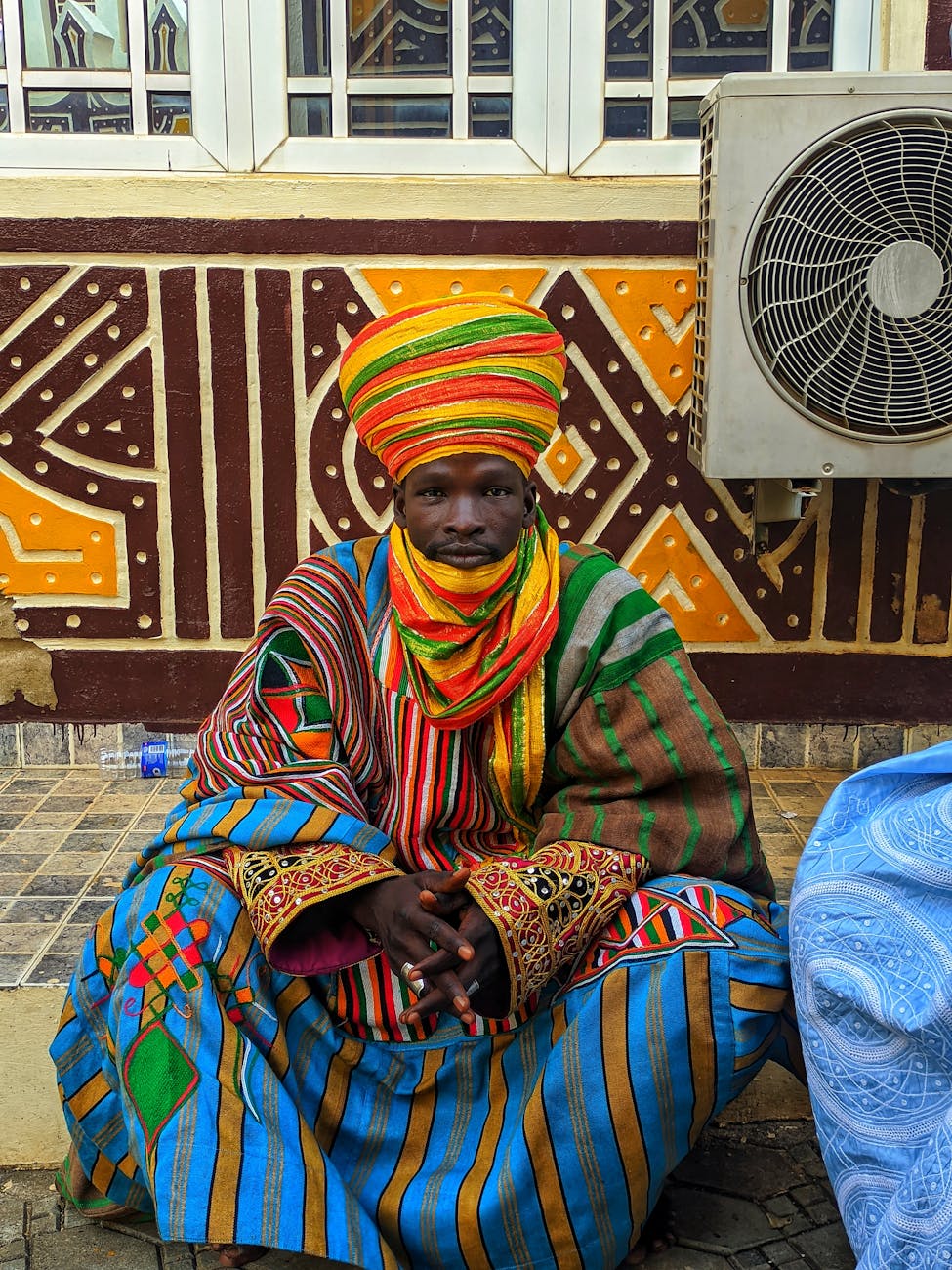
Maninka: A Cultural and Linguistic Cornerstone for the Malinke Language Community
Malinke Language: The Living Language of West Africa’s Cultural Mosaic
Maninka, also referred to as Malinke or Malinké, holds a crucial position in West Africa’s various linguistic landscape. This article explores the historic roots, contemporary usage, and cultural importance of the Maninka language, with a selected consciousness at the Malinke network withinside the United States. It additionally delves into the significance of language offerings in preserving cultural ties and assisting conversation for Maninka audio system in diaspora communities.
The Roots and Reach of Maninka
Maninka belongs to the Mande branch of the Niger-Congo language family, predominantly spoken in Guinea, Mali, and Senegal. As a member of the Manding subgroup, it is closely related to languages like Bambara and Mandinka. Known as the language of the Malinké people, Maninka extends beyond these regions, with speakers in Liberia, Sierra Leone, and Ivory Coast.
In Guinea, Maninka holds the status of a national language, serving as a lingua franca for communication among various ethnic groups. Its influence extends across borders, reflecting its historical and cultural importance.
Maninka’s Historical Journey
The history of Maninka is intertwined with the rise and expansion of the Mali Empire. At its peak, Maninka was the language of the royal court and government, spreading across a vast territory. This historical significance has shaped its modern-day prestige and widespread use in the region.
Over time, Maninka evolved into several dialects, with Eastern Maninka emerging as one of the most prominent. Due to the spread of Islam, Maninka has incorporated Arabic, particularly in religious contexts. The French language, a legacy of colonialism, has also left its mark on the Maninka vocabulary, especially in Guinea, where French remains the official language.
The Linguistic Landscape of Maninka
As a tonal language, Maninka distinguishes meanings through pitch variations, using two primary tones: high and low. Its phonetic system includes both nasal and oral vowels, a feature typical of many Niger-Congo languages.
Maninka follows a subject-object-verb (SOV) word order, setting it apart from many other African languages. The language uses postpositions instead of prepositions, and adjectives follow the nouns they modify. Although it employs a system of noun classes, this is not as prominent as in some other Niger-Congo languages.
Maninka in Written Form
While traditionally an oral language, Maninka now exists in several written forms. The Latin alphabet is commonly used, especially in educational contexts and modern media. The N’ko alphabet, developed in 1949 for Manding languages, has gained popularity among Maninka speakers, becoming a symbol of cultural pride. Additionally, the Arabic script, historically used for religious purposes, continues to be used in specific contexts. The choice of script often depends on the region and usage.
Maninka’s Present-Day Status
Though not an official language in any country, Maninka holds considerable status as a national language in Guinea and is widely spoken in Mali and Senegal. In Guinea, it is used in some primary schools and local media. Despite its widespread use, Maninka faces challenges in the modern world, as colonial languages often dominate official and educational settings. Efforts are ongoing to preserve and promote the language, with educational materials being developed and Maninka increasingly used in media and literature.
Preserving Maninka in the United States
For Maninka speakers in the United States, maintaining their language poses both challenges and opportunities for cultural connection. Many first-generation immigrants actively pass the language on to their children, speaking Maninka at home and engaging in community events where the language is spoken.
Some U.S. Maninka-speaking communities have founded language schools or cultural centers that serve as resources for learning the language and maintaining cultural traditions. These hubs are essential in preserving the language and promoting the customs of the Malinke people.
Resources for Maninka Learners
Although Maninka is not widely taught, there are resources available for learners. Online courses and apps provide basic lessons, while textbooks and language manuals can be used for self-study. YouTube videos offer instruction on Maninka phrases and vocabulary, making the language more accessible. In areas with large Maninka-speaking populations, local classes or tutors may be available. For advanced learners, academic institutions with African Studies programs may provide more in-depth resources on Maninka.
LanguageXS: Supporting Maninka Speakers
LanguageXS recognizes the importance of the Maninka language and is committed to supporting Maninka speakers, particularly in diaspora communities. The company offers services such as over-the-phone interpretation, which allows Maninka speakers to connect with interpreters for real-time communication. Video remote interpretation enables face-to-face communication through video calls, while document translation helps Maninka speakers navigate official processes in their new countries. These services are invaluable in healthcare, legal, and educational settings, ensuring that Maninka speakers can communicate effectively and maintain their cultural ties.
Maninka: A Cultural Cornerstone
Language is often the vehicle of culture, and for the Malinke people, Maninka serves this role. It carries the wisdom, traditions, and worldview of the Malinke, with proverbs, folktales, and songs encapsulating cultural values and historical knowledge. For Malinke individuals living outside their traditional homelands, maintaining proficiency in Maninka serves as a link to their cultural identity. It allows them to communicate with older generations, understand traditional practices, and pass on cultural knowledge to their children.
Technology and Maninka
Technology is playing an increasingly important role in the preservation and promotion of Maninka. Digital archives are being created to store Maninka texts and oral traditions, making them accessible to a global audience. Language apps are being developed to teach Maninka, incorporating audio to help learners with pronunciation and tones. Social media platforms like Facebook and WhatsApp are being used by Maninka speakers to communicate, creating virtual communities that span continents. Additionally, online dictionaries and translation tools are facilitating access to Maninka vocabulary and usage information.
While technology offers new avenues for preserving and promoting Maninka, it also presents challenges, particularly in adapting the language to digital contexts.
In conclusion, Maninka remains a vital part of West Africa’s cultural heritage. Its continued use and evolution, both in its native regions and among diaspora communities, highlight the resilience of the Malinke people. Through the efforts of organizations like LanguageXS, language services play a crucial role in bridging linguistic and cultural gaps, helping Maninka speakers maintain connections to their heritage while navigating new environments.
Key takeaways:
-
- Maninka is a significant language in West Africa, spoken widely in Guinea, Mali, and Senegal.
-
- It has deep historical roots linked to the Mali Empire and continues to be a marker of Malinke cultural identity.
-
- Maninka faces modern challenges but is supported by community efforts and technological advancements.
-
- In the U.S., Maninka speakers preserve their language through community schools and cultural initiatives.
-
- LanguageXS offers essential interpretation and translation services for Maninka speakers, particularly in healthcare, legal, and educational contexts.
-
- Technology is becoming a key tool in the preservation and promotion of Maninka.
FAQs about Malinke Language:
What services does LanguageXS offer for Maninka speakers?
LanguageXS offers over-the-phone interpretation, video remote interpretation, and document translation services. These services assist Maninka speakers in healthcare, legal, and educational settings, ensuring effective communication and cultural connection.
How does over-the-phone interpretation help Maninka speakers?
Over-the-phone interpretation allows Maninka speakers to access real-time language assistance, helping them navigate official processes, healthcare, and legal systems without language barriers. It ensures quick and reliable communication in crucial situations.
Can important documents be translated to and from Maninka?
Yes, LanguageXS provides document translation services for Maninka speakers. This helps individuals translate important documents such as legal papers or medical forms, making it easier to handle official tasks.
How is technology aiding in the preservation of Maninka?
Technology is helping preserve Maninka through digital archives, language apps, and online resources. These tools make learning and using Maninka more accessible, especially for those in diaspora communities.