
Echoes of Ancestral Voices: Unraveling the Mbay Language Tapestry in Chad’s Linguistic Mosaic
Vibrant World of Mbay Language and Culture
The Mbay language, a fascinating linguistic gem spoken by the resilient and culturally rich Mbay people of Chad, offers an intriguing window into a unique African culture that has withstood the test of time. This comprehensive exploration delves deep into the intricate tapestry of Mbay traditions, the nuances of their culture, the historical origins of their people, and the distinctive features of their language. This journey into the world of Mbay promises to broaden your horizons and deepen your appreciation for the linguistic diversity that enriches our planet.
Who Are the Mbay People and Where Do They Call Home?
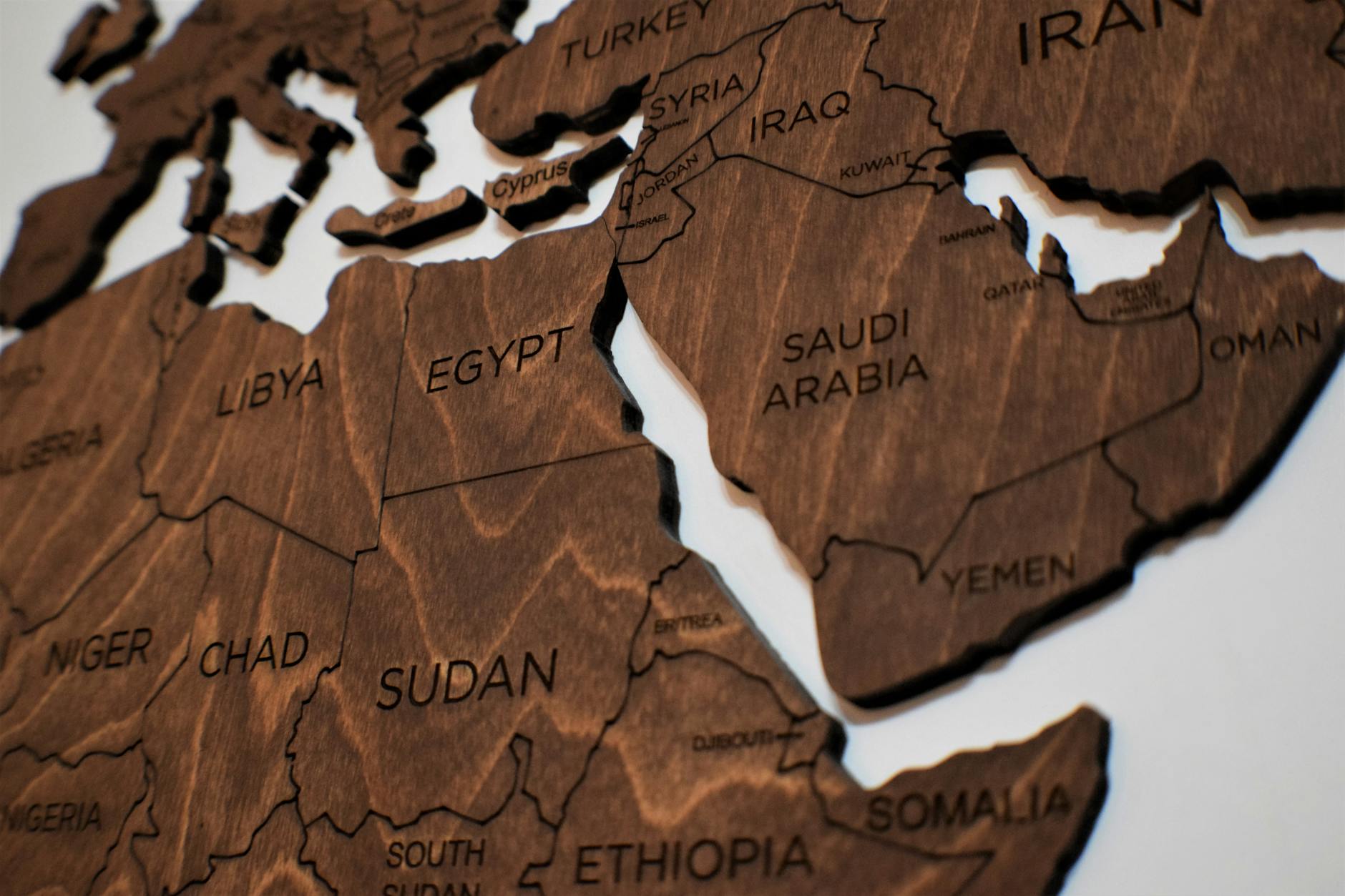
The Mbay people, also known as Mbaye in some contexts, are a vibrant ethnic group whose ancestral lands primarily span the southern regions of Chad, a diverse country nestled in the heart of north-central Africa. Chad, with its rich tapestry of over 200 ethnic groups, serves as a cultural crossroads, and the Mbay people play a significant role in this multicultural landscape.
Predominantly settled in the Mayo-Kebbi Est region, the Mbay have carved out a distinctive identity for themselves amidst Chad’s complex ethnic mosaic. Their communities are usually found in rural locations, where people have adapted to the opportunities and challenges of the contemporary world while yet keeping strong ties to their traditional way of life.
The Mbay are well known for having a rich cultural legacy, which is demonstrated by their complex social structures, age-old customs, and oral traditions that have been passed down orally. Their language is intrinsically tied to this cultural treasure since it is a mirror reflecting their perspective and a vehicle for their past.
What Sets the Mbay Language Apart?
The Mbay language belongs to the Sara-Bagirmi subgroup of the Central Sudanic language family, a diverse group of languages spoken across central Africa. This linguistic classification places Mbay in a fascinating position within the broader context of African languages, sharing features with its Sara relatives while maintaining its unique characteristics.
One of the most distinctive aspects of the Mbay language is its tonal system. Like many African languages, Mbay uses tones to distinguish word meanings, adding a layer of complexity and musicality to its structure. This tonal nature not only contributes to the language’s melodious sound but also plays a crucial role in conveying precise meanings and grammatical information.
The Mbay language’s grammar structure, while sharing some similarities with other languages in the region, has its own unique features that linguists find particularly intriguing. These include a complex system of verbal affixes that can significantly alter the meaning of words, and a rich vocabulary that reflects the Mbay people’s deep connection to their environment and traditional way of life.
Understanding the Mbay language is not just an academic exercise; it’s a key to unlocking the rich cultural heritage of its speakers. Each word, phrase, and grammatical structure offers insights into the Mbay worldview, their historical experiences, and their relationship with the land they call home.
As we continue our exploration of the Mbay people and their language, we’ll uncover more about their traditions, the challenges they face in preserving their linguistic heritage, and the efforts being made to document and protect this valuable piece of humanity’s diverse linguistic puzzle. The story of Mbay is not just about a language; it’s about a people, their history, and their place in the ever-evolving tapestry of human culture.
What Is the Origin of the Mbay Language?
The Mbay language has its roots in the Sara language group, which is widely spoken in southern Chad and neighboring countries. Like many African languages, Mbay has evolved over centuries, influenced by the historical migrations and interactions of various ethnic groups in the region.
How Many Mbay Speakers Are There?
According to available data, the Mbay language is spoken by approximately 100,000 to 200,000 native speakers. However, it’s important to note that language statistics in this region can be challenging to verify due to the complex linguistic landscape and limited demographic information.
What Are the Unique Features of Mbay Grammar?
The Mbay language possesses several intriguing grammatical features that set it apart from other languages in the region. One notable aspect is its tonal system, which plays a crucial role in distinguishing word meanings. The “Reference Grammar of Mbay” by John Keegan, published in 1997, provides a comprehensive analysis of Mbay grammar, including its phonology, morphology, and syntax.
How Does Mbay Culture Reflect in Their Language?
Language and culture are intrinsically linked, and this is particularly evident in the Mbay community. The Mbay language contains a rich vocabulary that reflects their traditional way of life, including terms related to agriculture, kinship, and spiritual beliefs. Many Mbay words and expressions offer insights into their cultural values and worldview.
What Efforts Are Being Made to Preserve the Mbay Language?
As with many minority languages worldwide, there are ongoing efforts to document and preserve the Mbay language. Various linguistic projects and organizations are working to record Mbay sentences, stories, and cultural information. These initiatives aim to create resources such as dictionaries and language learning materials to ensure the language’s vitality for future generations.
Are There Any Mbay Language Resources Available Online?
While online resources for the Mbay language may be limited compared to more widely spoken languages, there are some valuable materials available. The Joshua Project website, for instance, provides information about the Mbay people and their language. Additionally, some linguistic databases and research publications offer sample texts and recordings of Mbay speech.
How Does Religion Influence Mbay Culture and Language?
The Mbay people have a complex religious landscape that includes traditional beliefs, Christianity, and Islam. This religious diversity is reflected in their language, with terms and concepts related to various spiritual practices. The translation of religious texts, such as portions of the Bible, into Mbay has also contributed to the language’s development and preservation.
What Challenges Do Mbay Speakers Face in a Globalized World?
Like many minority language communities, Mbay speakers face challenges in maintaining their linguistic and cultural identity in an increasingly interconnected world. The pressure to adopt more widely spoken languages for education and economic opportunities can sometimes lead to language shift. However, many Mbay people are working to balance modernization with the preservation of their linguistic heritage.
How Can We Learn More About Mbay Language and Culture?
For those interested in delving deeper into the Mbay language and culture, there are several avenues for exploration. Academic publications, such as linguistic journals and anthropological studies, often contain valuable information. Additionally, connecting with Mbay community organizations or cultural centers can provide firsthand insights into their traditions and language use.
As we conclude our exploration of the Mbay language and culture, it’s worth noting the valuable services provided by companies like LanguageXS. This organization offers convenient over-the-phone interpretation and online translation services for the Mbay-speaking community. Such services play a crucial role in making information more accessible and fostering inclusivity, especially for minority language speakers like the Mbay people. By bridging language barriers, LanguageXS helps preserve linguistic diversity while enabling Mbay speakers to participate fully in the global community.
In summary, here are the key points to remember about the Mbay language and culture:
-
- Mbay is a Central Sudanic language spoken primarily in southern Chad
-
- The language has unique grammatical features, including a complex tonal system
-
- Mbay culture is deeply reflected in the language’s vocabulary and expressions
-
- Preservation efforts are ongoing to document and maintain the Mbay language
-
- Religious diversity has influenced Mbay language and culture
-
- Resources for learning about Mbay, while limited, are available through various academic and online sources
-
- Services like those offered by LanguageXS play a vital role in supporting linguistic diversity and inclusivity for Mbay speakers
By understanding and appreciating languages like Mbay, we contribute to the preservation of global linguistic diversity and gain valuable insights into the rich tapestry of human culture.
Frequently Asked Questions
How can LanguageXS help Mbay speakers? L
anguageXS provides over-the-phone interpretation and online translation services, making information more accessible for the Mbay-speaking community and fostering inclusivity.
Is the Mbay language endangered?
While not critically endangered, Mbay faces challenges in a globalized world. Efforts are being made to document and preserve the language for future generations.
Does LanguageXS offer services in other Chad languages?
Yes, LanguageXS supports various languages spoken in Chad, including Mbay and other Sara language group members.
How does the tonal system in Mbay work?
Mbay uses a complex tonal system to distinguish word meanings, adding depth and musicality to the language’s structure.
Can LanguageXS help with Mbay religious text translations?
Absolutely. LanguageXS can assist with translating religious texts, including portions of the Bible, into Mbay, contributing to language development and preservation.