
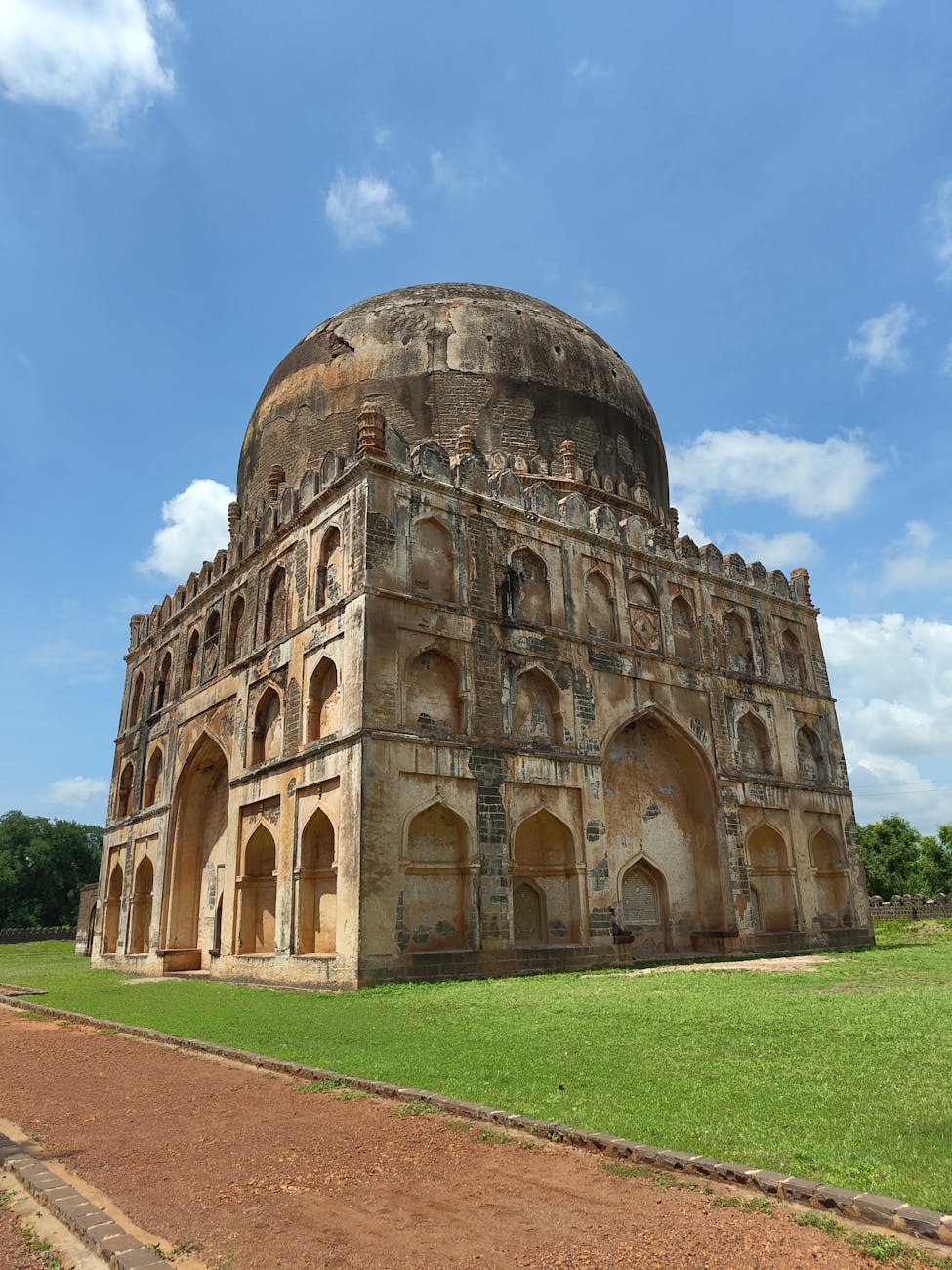
Getting to know the Kannada Culture: The Lives of Kannada People in Karnataka
Kannada People: The Heart of Karnataka’s Cultural Legacy
Karnataka’s rich cultural tapestry is vibrantly centred around the Kannada people, also called Kannadigas. For those interested in learning more about the many Indian cultures, this article provides a thorough examination of the history, language, and customs of the Kannada-speaking people. We’ll discuss how language services, such as those provided by LanguageXS, are essential in helping this community overcome communication hurdles in our globalized society as we go deeper into the world of Kannadigas.
Who are the Kannada People?
The Kannada people, or Kannadigas, are an ethnic group native to the state of Karnataka in southern India. They are primarily speakers of the Kannada language, which belongs to the Dravidian family of languages. The Kannada-speaking population extends beyond Karnataka, with significant communities found in neighboring states such as Tamil Nadu, Kerala, and Andhra Pradesh.
Kannadigas have a rich history dating back several millennia, with evidence of human habitation in Karnataka existing from pre-historic times to the present. The culture of the Kannada people has been shaped by various dynasties that ruled the region, including the Chalukyas, Rashtrakutas, and Vijayanagara Empire.
What is the Origin of the Kannada Language?
The Kannada language has a long and storied history, with its origins tracing back to the early centuries of the Common Era. Old Kannada, the earliest form of the language, evolved from Proto-Dravidian, the ancestral language of all Dravidian languages.
The Halmidi inscription, the oldest Kannada inscription known to exist, was written somewhere in the fifth century CE. This inscription, which was discovered in Karnataka’s Hassan district, dates the beginning of Kannada’s written history.
From Old Kannada to Medieval Kannada and ultimately Modern Kannada, Kannada has experienced tremendous transformation over the ages. Because of the Kannada people’s historical connections with different cultures, the language has been enhanced by influences from Sanskrit, Persian, and English.
How Has Kannada Literature Shaped the Cultural Identity of Kannadigas?
Kannada literature is mostly composed of poetry, prose, and drama, with a history spanning over a millennium. The literary tradition of the Kannada people has played a crucial role in shaping their cultural identity and preserving their heritage.
The history of Kannada literature is filled with literary figures and pioneers who have made significant contributions to the language and culture. From the 12th century onwards, Kannada literature flourished under the patronage of various royal dynasties, particularly during the Vijayanagara period.
One of the most notable aspects of Kannada literature is the Haridasa movement, which combined devotional poetry with music. Purandaradasa, often referred to as the “Father of Carnatic Music,” was a prominent figure in this movement, composing thousands of devotional songs in Kannada.
What Role Does Karnataka Play in the Lives of Kannada People?
Karnataka, the state where the majority of Kannada people reside, is central to their cultural and social identity. The state of Karnataka, with Bangalore (now Bengaluru) as its capital, is not just a geographical location but a cultural hearth for Kannadigas.
Karnataka must be understood as more than just a political entity; it’s a land that has nurtured the Kannada language and culture for centuries. From the rolling hills of Coorg to the tech hubs of Bengaluru, the state offers a diverse landscape that reflects the multifaceted nature of Kannada culture.
The government of Karnataka has played a significant role in promoting and preserving Kannada culture. Initiatives like the celebration of “Kannada Rajyotsava” (Karnataka Formation Day) on November 1st each year help reinforce the cultural pride of Kannadigas.
How Do Kannada People Maintain Their Identity Outside Karnataka?
While Karnataka is the heartland of Kannada culture, significant Kannada-speaking populations exist outside the state. Kannada minorities are found in neighboring states like Tamil Nadu, Kerala, and Maharashtra, particularly in cities like Chennai and Mumbai.
These diaspora communities often face challenges in maintaining their linguistic and cultural identity. However, many have established cultural associations and language schools to keep their traditions alive. The advent of digital media and social networking has also helped Kannadigas stay connected to their roots, regardless of their geographical location.
What Are Some Unique Aspects of Kannada Culture?
Kannada culture is rich and diverse, with unique traditions that set it apart. One of the most distinctive aspects is Kannada architecture, exemplified by the intricate temples of Belur and Halebidu, which showcase the artistic prowess of the Hoysala dynasty.
The Kannada film industry, colloquially known as “Sandalwood,” has played a significant role in popularizing Kannada culture both within and outside Karnataka. It has produced numerous critically acclaimed films that have garnered national and international recognition.
Traditional Kannada cuisine is another integral part of the culture. Dishes like bisi bele bath, ragi mudde, and mysore pak are not just food items but cultural symbols that Kannadigas take pride in.
How Has Modernization Affected Kannada Culture?
The rapid urbanization and technological advancement, particularly in cities like Bengaluru, have had a profound impact on Kannada culture. While these changes have brought economic prosperity, they have also led to concerns about the erosion of traditional values and language.
The IT boom in Bengaluru has attracted people from all over India, making it a cosmopolitan city. While this has enriched the cultural landscape, it has also led to debates about the status of Kannada in its own homeland. The government and various cultural organizations have been working to ensure that Kannada remains relevant in this changing scenario.
What Challenges Do Kannada People Face in Preserving Their Language?
Despite being the official language of Karnataka, Kannada faces several challenges in the modern world. The increasing use of English in education and professional settings has led to concerns about the future of Kannada, especially among the younger generation.
There have been movements to promote the use of Kannada in all spheres of life, including government, education, and media. The Chief Minister of Karnataka has often emphasized the importance of preserving and promoting Kannada language and culture.
However, it’s important to note that many Kannadigas are multilingual, often speaking English and Hindi in addition to Kannada. This linguistic flexibility is both a strength and a challenge in preserving the purity of the Kannada language.
How Does LanguageXS Support the Kannada-Speaking Community?
In our increasingly globalized world, language services play a crucial role in helping communities like the Kannadigas maintain their linguistic identity while engaging with the broader world. LanguageXS, a leading provider of language services, offers a range of solutions that can be particularly beneficial for the Kannada-speaking community.
LanguageXS provides over-the-phone interpretation, video remote interpretation, and document translation services for over 240 languages and dialects, including Kannada. These services can be invaluable for Kannadigas living outside Karnataka or dealing with international businesses and institutions.
For instance, a Kannada speaker in the United States needing medical assistance can use LanguageXS’s over-the-phone interpretation service to communicate effectively with healthcare providers. Similarly, a Kannada-speaking business in Bengaluru looking to expand globally can utilize LanguageXS’s document translation services to prepare international contracts and marketing materials.
What Does the Future Hold for Kannada People and Their Culture?
The future of Kannada people and their culture is a topic of much discussion and debate. While there are challenges, particularly in language preservation and cultural continuity in the face of globalization, there are also many reasons for optimism.
The digital age has provided new platforms for the promotion and preservation of Kannada language and culture. Online resources, digital libraries, and social media have made it easier than ever for people to access Kannada literature, music, and art.
Moreover, there’s a growing awareness among younger Kannadigas about the importance of preserving their cultural heritage. Many are taking active steps to learn and promote the language, ensuring that Kannada culture continues to thrive in the 21st century and beyond.
Key Takeaways
-
- The Kannada people, or Kannadigas, are the primary ethnic group of Karnataka, with a rich cultural heritage dating back millennia.
-
- Kannada, a Dravidian language, has a written history of over 1500 years and a rich literary tradition.
-
- Karnataka plays a central role in Kannada culture, but significant Kannada-speaking populations exist outside the state as well.
-
- Kannada culture encompasses unique traditions in architecture, cuisine, and arts, including a thriving film industry.
-
- While modernization poses challenges to traditional Kannada culture, efforts are being made to preserve and promote the language and heritage.
-
- Language services like those offered by LanguageXS play a crucial role in helping Kannada speakers navigate an increasingly globalized world while maintaining their linguistic identity.
-
- The future of Kannada culture looks promising, with growing awareness and digital platforms aiding in its preservation and promotion.
FAQ
How can LanguageXS assist Kannada speakers living outside Karnataka?
LanguageXS provides over-the-phone interpretation services for Kannada speakers, helping them communicate effectively in various situations, from medical appointments to legal consultations.
What makes LanguageXS’s Kannada translation services unique?
Our team includes native Kannada speakers who understand the nuances of the language, ensuring accurate translations that capture the essence of Kannada culture and expressions.
Can LanguageXS help with document translation for Kannada businesses expanding globally?
Absolutely. We offer professional document translation services, helping Kannada businesses translate contracts, marketing materials, and other important documents into numerous languages.
How quickly can I access a Kannada interpreter through LanguageXS?
Our service aims to connect you with a Kannada interpreter within minutes, ensuring prompt communication assistance whenever you need it.
Does LanguageXS offer video remote interpretation for Kannada?
Yes, we provide video remote interpretation services, which can be particularly helpful for situations requiring visual context or sign language interpretation alongside spoken Kannada.
How does LanguageXS ensure the privacy of Kannada speakers using their services?
We adhere to strict confidentiality protocols. All our interpreters are bound by confidentiality agreements, and we use secure communication channels for all interpretation sessions.
Can LanguageXS help with technical or specialized Kannada translations?
Indeed. Our team includes Kannada interpreters with expertise in various fields, including medicine, law, and technology, ensuring accurate translations even for specialized content.