
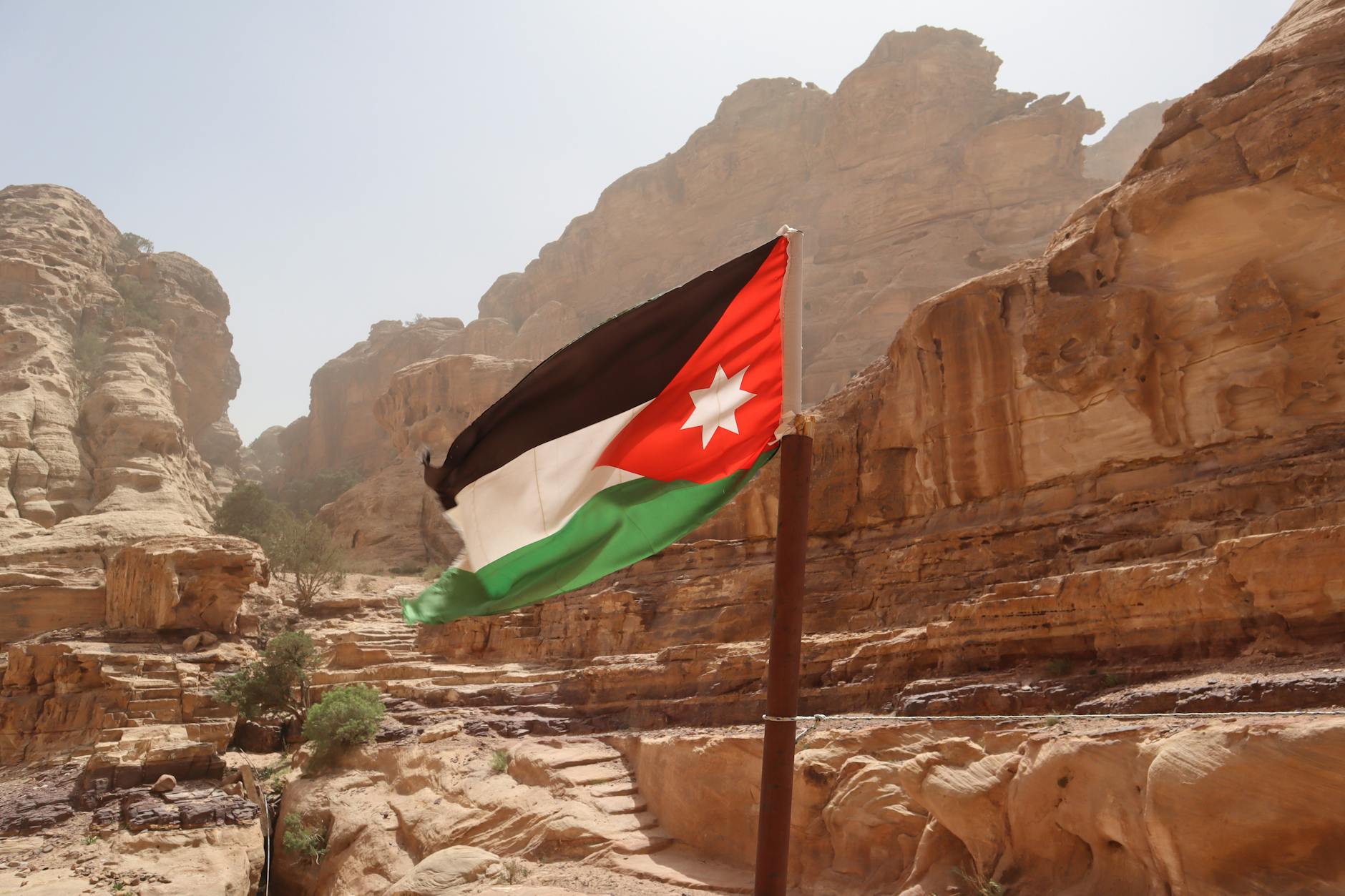
Jordanian Language: The Language of Jordan and Its Use in Daily Life
The Jordanian Language: An Intriguing Look at Jordanian Arabic
Jordan offers a fascinating linguistic landscape and is a country rich in culture and history. Jordanian Arabic, a distinctive dialect of Arabic that stands out in the vast globe of Arabic languages, is the foundation of its communication. This article provides a fascinating look at Jordanian Arabic, illuminating its importance, use, and unique characteristics. Discover the nuances of Jordanian Arabic and why it’s a topic worth your interest if you’re interested in learning more about how language influences culture in Jordan.
What is Jordanian Arabic?
The predominant language in Jordan, Jordanian Arabic, is an essential component of the country’s cultural and social identity. It belongs to the same dialect group as Levantine Arabic, which also includes Palestinian, Syrian, and Lebanese Arabic. The formal language for government documents and media is Modern Standard Arabic; this dialect is primarily utilized in casual contexts and everyday interactions.
How Does Jordanian Arabic Differ from Modern Standard Arabic?
One major distinction between Jordanian Arabic and Modern Standard Arabic lies in their usage. Modern Standard Arabic is the formal variant used in written communication, news broadcasts, and official speeches. In contrast, Jordanian Arabic, with its unique vocabulary and pronunciation, is spoken in everyday interactions. This dialect features influences from various languages and cultures due to Jordan’s historical interactions with neighboring regions.
What Are the Key Features of Jordanian Arabic?
There are a number of unique characteristics that distinguish Jordanian Arabic from other Arabic dialects. For example, because of commercial and historical influences, it combines terminology and idioms from Turkish, English, and other languages. Jordanian Arabic pronunciation varies from Modern Standard Arabic pronunciation in that certain sounds and characters are pronounced differently. Because of these differences, Jordanian Arabic is a vibrant and varied dialect.
How Does Jordanian Arabic Reflect Jordanian Culture?
Language is a reflection of culture, and Jordanian Arabic is no exception. This dialect captures the ideals, customs, and social mores of Jordanians. The vocabulary and idioms of Jordanian Arabic frequently mirror the nation’s everyday life, social mores, and cultural legacy. Traditional Bedouin terms and phrases, for instance, shed light on Jordan’s history of nomadic life and hospitality practices.
What Are Some Common Phrases in Jordanian Arabic?
Learning a few common phrases in Jordanian Arabic can enhance your understanding of Jordanian culture. Greetings such as “Marhaban” (Hello) and “Shukran” (Thank you) are frequently used in daily conversations. Additionally, expressions like “Insha’Allah” (God willing) showcase the influence of Islamic culture on the language. These phrases offer a glimpse into the social interactions and cultural values prevalent in Jordan.
How is Jordanian Arabic Taught to Non-Native Speakers?
For those interested in learning Jordanian Arabic, various resources are available, including language courses, textbooks, and online platforms. Language schools and cultural institutions often offer specialized courses focusing on Jordanian Arabic. Additionally, language exchange programs and immersive experiences in Jordan can provide valuable practice and exposure to the dialect.
What Role Does Jordanian Arabic Play in Media and Entertainment?
Jordanian Arabic is prominently featured in Jordanian media and entertainment. Local television shows, radio programs, and films often use the dialect, reflecting the country’s cultural and social narratives. This exposure helps preserve and promote Jordanian Arabic, making it accessible to both locals and international audiences interested in Jordanian culture.
How Does Jordanian Arabic Compare to Other Levantine Dialects?
While Jordanian Arabic shares similarities with other Levantine dialects, it also has its own unique characteristics. For instance, Jordanian Arabic and Palestinian Arabic have many commonalities due to geographical proximity, but there are notable differences in pronunciation and vocabulary. Similarly, Jordanian Arabic differs from Lebanese and Syrian dialects in terms of specific expressions and linguistic features.
What Are the Challenges of Learning Jordanian Arabic?
Learning Jordanian Arabic, like any language, comes with its challenges. The dialect’s distinct pronunciation and vocabulary can be difficult for non-native speakers to master. Additionally, the informal nature of Jordanian Arabic compared to Modern Standard Arabic can pose obstacles in formal settings. However, with dedication and practice, learners can overcome these challenges and gain proficiency in Jordanian Arabic.
How Can LanguageXS Assist with Jordanian Arabic?
LanguageXS offers a range of services to assist with Jordanian Arabic, including over-the-phone interpretation, video remote interpreting, and document translation. Our team of skilled professionals is equipped to handle various language needs, ensuring accurate and reliable communication. Whether you require interpretation services for business meetings or translation for official documents, LanguageXS can support your Jordanian Arabic language requirements.
Key Takeaways
-
- Jordanian Arabic is a unique dialect of Arabic spoken in Jordan, part of the Levantine Arabic group.
-
- It differs from Modern Standard Arabic in usage, pronunciation, and vocabulary.
-
- The dialect reflects Jordanian culture and social norms, with phrases and expressions rooted in local traditions.
-
- Jordanian Arabic is featured in local media and entertainment, preserving its cultural significance.
-
- Learning Jordanian Arabic presents challenges, but resources and practice can aid in mastering the dialect.
-
- LanguageXS provides professional services for interpretation and translation in Jordanian Arabic.
Jordanian Arabic is more than just a means of communication; it’s a vibrant part of Jordan’s identity. By understanding this dialect, you gain insight into the culture and society of Jordan, enriching your knowledge of the region.
Frequently Asked Questions
How does Jordanian Arabic differ from Modern Standard Arabic?
Jordanian Arabic differs from Modern Standard Arabic in its pronunciation, vocabulary, and usage. While Modern Standard Arabic is used for formal writing and media, Jordanian Arabic is used in daily communication and informal settings.
What are some common phrases in Jordanian Arabic?
Common phrases in Jordanian Arabic include “Marhaban” (Hello) and “Shukran” (Thank you). These expressions reflect the social interactions and cultural values prevalent in Jordan.
How can I learn Jordanian Arabic?
Learning Jordanian Arabic can be achieved through language courses, textbooks, and online resources. Immersive experiences and language exchange programs can also provide practical exposure to the dialect.
How does LanguageXS support Jordanian Arabic speakers?
LanguageXS offers over-the-phone interpretation services for Jordanian Arabic, providing professional assistance for clear and accurate communication. Our services are designed to meet the needs of the Jordanian language-speaking community.
What are the benefits of using over-the-phone interpretation with LanguageXS?
Over-the-phone interpretation with LanguageXS ensures immediate and reliable communication for those who speak Jordanian Arabic. It helps bridge language barriers in various settings, including business and personal interactions.
Can LanguageXS provide translation services for Jordanian Arabic documents?
Yes, LanguageXS provides document translation services for Jordanian Arabic, ensuring accurate and professional translation for all types of documents.
How can I contact LanguageXS for Jordanian Arabic services?
You can contact LanguageXS through our website or by phone to inquire about our Jordanian Arabic interpretation and translation services. Our team is ready to assist with your language needs.