
Greenlandic Language: A Deep Dive into Kalaallisut and its Dialects
Greenlandic Language: A Deep Dive into Kalaallisut and its Dialects
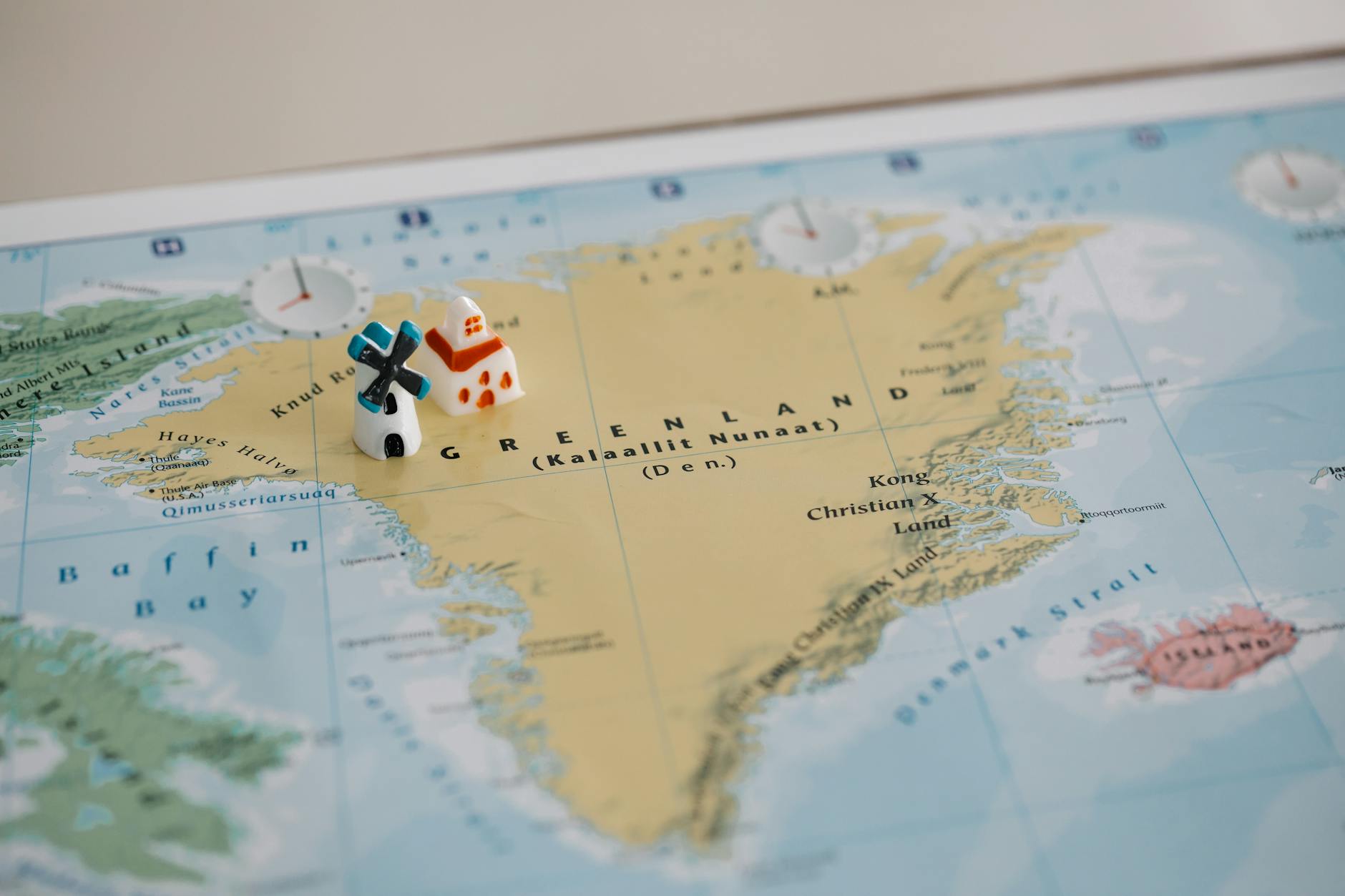
Greenlandic, or Kalaallisut, is the official language of Greenland and is spoken by the majority of Greenlanders. This article provides an in-depth look at the Greenlandic language, exploring its unique characteristics, dialects, and significance. By understanding the Greenlandic language, you’ll gain insight into a vital aspect of Greenland’s culture and heritage. Whether you’re interested in language learning, the history of Greenlandic, or the way this language shapes the identity of Greenlanders, this article is a must-read.
Understanding the Greenlandic Language: What Makes it Unique?
Greenlandic, or Kalaallisut, is not just a language; it’s a window into the cultural and social fabric of Greenland. Unlike many other languages, Greenlandic is a polysynthetic language, which means that words are formed by stringing together a series of morphemes (the smallest units of meaning). This structure allows for the creation of very long words that convey complex meanings. For example, a single Greenlandic word can often express what would require an entire sentence in English.
The Greenlandic language is also known for its use of the Roman alphabet, a system that was adapted to fit the unique phonetic needs of the language. The alphabet used in Greenlandic includes additional letters that are not found in the English alphabet, making the pronunciation of Greenlandic words distinct and sometimes challenging for non-native speakers.
How is Greenlandic Related to Other Inuit Languages?
Greenlandic is part of the Eskimo-Aleut language family, which also includes languages spoken by Inuit populations in Canada and Alaska. The Greenlandic language is roughly divided into three main dialects: West Greenlandic (Kalaallisut), East Greenlandic (Tunumiisut), and North Greenlandic (Inuktun). West Greenlandic is the standard dialect and is used in education, media, and government in Greenland.
While Greenlandic shares many similarities with other Inuit languages, such as Inuktitut, there are also significant differences. For instance, the pronunciation and certain grammatical structures in Greenlandic are unique, reflecting the language’s evolution over centuries. The Greenlandic language is also embedded within the cultural practices of the Inuit people, making it a key part of their identity.
The Role of Danish in Greenland: A Historical Perspective
The influence of the Danish language in Greenland cannot be overlooked. Greenland was a Danish colony for over two centuries, and Danish was the primary language used in government, education, and trade. Today, while Greenlandic is the official language of Greenland, Danish is still widely spoken and taught in schools. Many Greenlanders are bilingual, able to speak both Greenlandic and Danish fluently.
The coexistence of Greenlandic and Danish languages in Greenland has shaped the linguistic landscape of the country. While efforts are being made to preserve and promote Greenlandic, Danish remains an important language in Greenland’s educational system and is often used in official documents and communications.
How Greenlandic Language is Structured: Alphabet and Pronunciation
Greenlandic is a polysynthetic language, which means that it allows for the construction of long words by adding multiple affixes to a base word. These affixes can indicate tense, mood, and various other grammatical aspects. The Greenlandic alphabet, which is based on the Roman alphabet, includes the letters q, r, and ʃ, which are not found in the standard English alphabet. These letters contribute to the distinct pronunciation of Greenlandic words.
Pronunciation in Greenlandic can be challenging, particularly because of the language’s use of consonant clusters and long vowels. For instance, the letter “q” is pronounced as a uvular stop, which is a sound not commonly found in many other languages. Additionally, Greenlandic words often contain long sequences of vowels and consonants, which require careful articulation to be pronounced correctly.
The Evolution of Greenlandic: From Oral Tradition to Written Language
Greenlandic has a rich oral tradition that predates its written form. The first written records of Greenlandic were created by European missionaries in the 18th century. Samuel Kleinschmidt, a missionary linguist, played a key role in developing the first grammar and orthography for the Greenlandic language in the 1760s. His work laid the foundation for the written language used today.
The transition from an oral to a written language has had a profound impact on Greenlandic. The development of a standardized orthography in the 19th century helped to preserve the language and ensure its continuity. The written language in Greenlandic is closer to the spoken language than in many other languages, making it more accessible for native speakers.
Greenlandic Dialects: How Do They Differ?
The Greenlandic language is divided into four main dialects: West Greenlandic (Kalaallisut), East Greenlandic (Tunumiisut), North Greenlandic (Inuktun), and South Greenlandic. Each dialect has its own unique features, including variations in pronunciation, vocabulary, and grammar.
West Greenlandic, or Kalaallisut, is the most widely spoken dialect and serves as the standard dialect for official communication in Greenland. East Greenlandic, or Tunumiisut, is spoken in the eastern regions of Greenland and is known for its distinct pronunciation and vocabulary. North Greenlandic, or Inuktun, is spoken in the northern regions,
a single Greenlandic word can encapsulate what would require an entire sentence in English. This characteristic makes Greenlandic fascinating but also challenging to learn for those unfamiliar with its structure. The language’s polysynthetic nature is deeply embedded within its Inuit roots, making it a distinctive member of the Eskimo-Aleut language family.
How is Greenlandic Different from Other Inuit Languages?
Greenlandic is part of the broader Inuit language group, which includes languages spoken across Canada and Alaska, such as Inuktitut and Yup’ik. However, Greenlandic has evolved separately from its relatives, resulting in unique features that set it apart. For instance, unlike Inuktitut, Greenlandic has long vowels and complex consonant clusters, which are pronounced differently depending on their position in a word. This distinct phonetic system makes Greenlandic both intriguing and difficult for non-native speakers to master.
Additionally, Greenlandic is divided into four main dialects: West Greenlandic (Kalaallisut), East Greenlandic (Tunumiisut), North Greenlandic (Inuktun), and Polar Eskimo (Avanersuaq). Each dialect has its nuances in pronunciation and vocabulary, though they all share the core polysynthetic structure.
The Greenlandic Alphabet and Pronunciation: A Guide for Beginners
The Greenlandic language uses the Roman alphabet, which was adopted following the influence of Danish missionaries and linguists. The alphabet consists of 18 letters, omitting the letters C, Q, W, X, and Z from the standard Roman alphabet. Samuel Kleinschmidt, a missionary linguist, invented the first Greenlandic grammar in 1760, and his work laid the foundation for the modern Greenlandic orthography.
Pronunciation in Greenlandic can be challenging due to the presence of long vowels and consonant clusters. Long vowels are crucial in distinguishing between words that might otherwise appear similar. For instance, the word “ata” (father) and “ataa” (down) are distinguished solely by the length of the vowel. Similarly, consonant clusters like “ng” or “ll” have specific pronunciations that must be mastered to speak Greenlandic accurately.
What Are the Dialects of Greenlandic and How Do They Differ?
The Greenlandic language is roughly divided into four dialects: West Greenlandic, East Greenlandic, North Greenlandic, and Polar Eskimo. Each dialect is spoken across different regions of Greenland, reflecting the country’s geographic and cultural diversity.
West Greenlandic (Kalaallisut): This is the standard dialect and the official language of Greenland. It is spoken in the western and southwestern parts of the country, including the capital city, Nuuk. West Greenlandic is the most widely understood and used dialect, especially in government, education, and media.
East Greenlandic (Tunumiisut): Spoken in the eastern part of Greenland, this dialect is less influenced by Danish and has retained more archaic features. The vocabulary and pronunciation of Tunumiisut can be quite different from West Greenlandic, making it somewhat challenging for speakers of other Greenlandic dialects to understand.
North Greenlandic (Inuktun): Also known as Avanersuaq, this dialect is spoken in the northernmost regions of Greenland, particularly in the town of Upernavik. Inuktun shares similarities with the Inuit languages spoken in Canada, such as Inuktitut, and is considered by some linguists to be closer to these languages than to other Greenlandic dialects.
Polar Eskimo (Avanersuaq): This dialect, spoken by the Inughuit people in the Thule region, is also known as the “Polar Eskimo” dialect. It is the least spoken of the Greenlandic dialects and has some linguistic connections to the Inuit languages spoken in Canada and Alaska.
The History of the Greenlandic Language: From Indigenous Roots to Modern Usage
The Greenlandic language has a rich history that dates back thousands of years. As an indigenous language, it has been spoken by the Inuit people long before the arrival of Europeans. The first Greenlandic dictionary was compiled in the 18th century by missionaries who were keen to document and standardize the language. This work led to the creation of a written language closer to the spoken language, ensuring that Greenlandic could be preserved and taught to future generations.
Over the centuries, Greenlandic has undergone significant changes, influenced by contact with other cultures, particularly Danish. Greenland’s status as an autonomous territory within the Kingdom of Denmark has meant that the Danish language has had a considerable impact on Greenlandic. However, despite this influence, Greenlandic has remained the primary language spoken by Greenlanders, a testament to the resilience of the Inuit culture.
How Does the Greenlandic Language Reflect the Culture of Greenland?
Language and culture are deeply intertwined, and Greenlandic is no exception. The language is embedded within the daily lives of Greenlanders, reflecting their connection to the land, the sea, and their communities. Many Greenlandic words and expressions are rooted in the natural environment, with specific terms for different types of ice, snow, and weather conditions that are central to life in Greenland.
For example, the Greenlandic word “siku” means sea ice, a critical concept for Greenlanders who depend on the ice for transportation and hunting. Similarly, “nunarput” translates to “our land,” underscoring the deep sense of belonging and connection to the land that is central to Greenlandic identity.
Moreover, the use of suffixes in Greenlandic allows for the creation of long words that convey complex ideas, often related to social and communal values. This linguistic feature reflects the importance of community and cooperation in Greenlandic culture, where people rely on one another for survival in the harsh Arctic environment.
Greenlandic Language Learning: Challenges and Rewards
Learning Greenlandic can be a rewarding yet challenging experience. As a polysynthetic language, Greenlandic requires learners to understand its unique grammatical structure, including the use of suffixes and the formation of long words. Additionally, the pronunciation of Greenlandic, with its long vowels and consonant clusters, can be difficult for beginners.
However, for those who persevere, the rewards are significant. Learning Greenlandic opens the door to a deeper understanding of Greenlandic culture and society. It also provides the opportunity to connect with Greenlanders on a more meaningful level, as language is a crucial part of identity and communication.
At LanguageXS, we recognize the importance of language learning in fostering cross-cultural understanding. That’s why we offer over-the-phone interpretation and document translation services for Greenlandic and over 240 other languages and dialects. Whether you’re looking to translate a Greenlandic document or need interpretation services for a conversation in Greenlandic, our team of experts is here to help.
How Greenlandic Evolved Over Time: From Oral Tradition to Written Language
The evolution of Greenlandic from an oral tradition to a written language is a fascinating journey. For centuries, Greenlandic was primarily a spoken language, passed down orally from generation to generation. This oral tradition was rich with stories, legends, and knowledge about the environment, all of which were preserved through the spoken word.
The introduction of writing in Greenlandic began with the arrival of Danish missionaries in the 18th century. Samuel Kleinschmidt, a missionary linguist, played a pivotal role in creating the first Greenlandic grammar and dictionary. His work was instrumental in standardizing the language and developing a written form that closely matched the spoken language.
Today, Greenlandic is not only a spoken language but also a written one, used in literature, education, and official documents. The written form of Greenlandic has allowed the language to be taught in schools, ensuring its survival for future generations. Moreover, the government of Greenland actively promotes the use of Greenlandic in all aspects of public life, reinforcing its status as the official language of Greenland.
The Role of Greenlandic in Education: Promoting Language and Identity
In Greenland, the role of the Greenlandic language in education is crucial for preserving cultural identity and fostering a sense of belonging among Greenlanders. Greenlandic is the primary language of instruction in primary schools, where children are taught to read and write in their native language. This early exposure to Greenlandic ensures that the language remains strong and vibrant among the younger generation.
In addition to its role in primary education, Greenlandic is also taught at higher levels of education, including secondary schools and universities. This emphasis on Greenlandic in education reflects the importance of language in maintaining cultural heritage and promoting national identity.
Furthermore, the Greenlandic government has implemented policies to ensure that Greenlandic is used alongside Danish and English in educational institutions. This trilingual approach not only strengthens Greenlandic but also equips students with the linguistic skills needed to engage with the wider world.
Greenlandic and Danish: The Relationship Between Two Languages in Greenland
The relationship between Greenlandic and Danish in Greenland is complex and multifaceted. As an autonomous territory within the Kingdom of Denmark, Greenland has a long history of interaction with the Danish language. For many years, Danish was the dominant language in Greenland, particularly in education, government, and business.
However, in recent decades, there has been a strong movement to promote Greenlandic as the primary language spoken in Greenland. This movement has been driven by a desire to strengthen Greenlandic identity and reduce reliance on Danish. As a result, Greenlandic has been increasingly used in official settings, including government, education, and media.
Despite this shift, Danish remains an important language in Greenland, particularly in urban areas like Nuuk and Sisimiut, where many Greenlanders are bilingual. The ability to speak Danish provides Greenlanders with access to opportunities in Denmark and the wider world, making it a valuable skill. At the same time, the promotion of Greenlandic ensures that the language remains a vital part of Greenlandic culture and identity.
The Future of Greenlandic: Challenges and Opportunities
The future of the Greenlandic language is filled with both challenges and opportunities. On one hand, the dominance of global languages like English and Danish poses a threat to the continued vitality of Greenlandic. In an increasingly globalized world, young Greenlanders may be tempted to prioritize learning languages that offer more economic opportunities.
On the other hand, there is a strong sense of pride in Greenlandic culture and language among Greenlanders, which bodes well for the future of the language. Efforts to promote Greenlandic in education, media, and government are helping to ensure that the language remains relevant and widely spoken.
Moreover, technology offers new opportunities for the Greenlandic language to thrive. Digital platforms, social media, and online learning resources can make Greenlandic more accessible to both Greenlanders and those interested in learning the language. At LanguageXS, we support the preservation and promotion of Greenlandic by offering interpretation and translation services that bridge the gap between Greenlandic and other languages.
How LanguageXS Can Help with Greenlandic Language Needs
At LanguageXS, we understand the importance of preserving and promoting the Greenlandic language. Our services are designed to support individuals and organizations in their language needs, whether for personal, educational, or professional purposes. We offer over-the-phone interpretation, video remote interpretation, and document translation services for Greenlandic and over 240 other languages and dialects.
Our team of skilled linguists is well-versed in the nuances of Greenlandic, including its various dialects. Whether you need a Greenlandic document translated or require interpretation services for a conversation in Greenlandic, LanguageXS is here to help. We are committed to providing high-quality language services that meet your needs and support the continued vitality of the Greenlandic language.
Summary: Key Takeaways on the Greenlandic Language
- Greenlandic (Kalaallisut) is the official language of Greenland, deeply rooted in Inuit culture and part of the Eskimo-Aleut language family.
- Polysynthetic structure allows for the creation of complex, long words that convey detailed meanings.
- Greenlandic is divided into four main dialects: West Greenlandic, East Greenlandic, North Greenlandic, and Polar Eskimo, each with unique features.
- The language uses the Roman alphabet, and pronunciation includes long vowels and complex consonant clusters.
- Samuel Kleinschmidt played a significant role in developing the first Greenlandic grammar and dictionary.
- Greenlandic is central to education in Greenland, ensuring its preservation and promotion.
- The relationship between Greenlandic and Danish is complex, with both languages playing important roles in Greenland.
- The future of Greenlandic depends on continued efforts to promote the language and adapt to global challenges.
- LanguageXS offers comprehensive language services to support Greenlandic and over 240 other languages and dialects.
With its unique linguistic features and deep cultural significance, Greenlandic remains a vital part of Greenland’s identity and heritage. As global interest in preserving indigenous languages grows, Greenlandic stands as a testament to the resilience and richness of Greenland’s cultural landscape.
Frequently Asked Questions:
What is the Greenlandic language and its significance?
Greenlandic, or Kalaallisut, is the official language of Greenland, spoken by the majority of Greenlanders. It is a polysynthetic language with a unique structure that allows for long, complex words. The language reflects the rich cultural heritage and identity of the Inuit people of Greenland.
How many dialects does the Greenlandic language have?
The Greenlandic language is divided into four main dialects: West Greenlandic (Kalaallisut), East Greenlandic (Tunumiisut), North Greenlandic (Inuktun), and Polar Eskimo (Avanersuaq). Each dialect has distinct features and variations in pronunciation and vocabulary.
How can LanguageXS assist with Greenlandic language needs?
LanguageXS offers over-the-phone interpretation services for Greenlandic, providing seamless communication for those needing to connect with Greenlandic speakers. Our team ensures accurate and efficient interpretation, supporting both personal and professional interactions in the Greenlandic language.
What are the benefits of using LanguageXS for Greenlandic translation services?
LanguageXS provides expert translation services for Greenlandic, including document translation and interpretation. Our services ensure clear and effective communication, supporting the needs of the Greenlandic-speaking community and facilitating interactions across languages.
Can LanguageXS handle complex Greenlandic dialects in its services?
Yes, LanguageXS is equipped to handle complex Greenlandic dialects. Our experienced interpreters and translators are knowledgeable about the various dialects of Greenlandic, ensuring accurate and culturally sensitive service for diverse communication needs.