
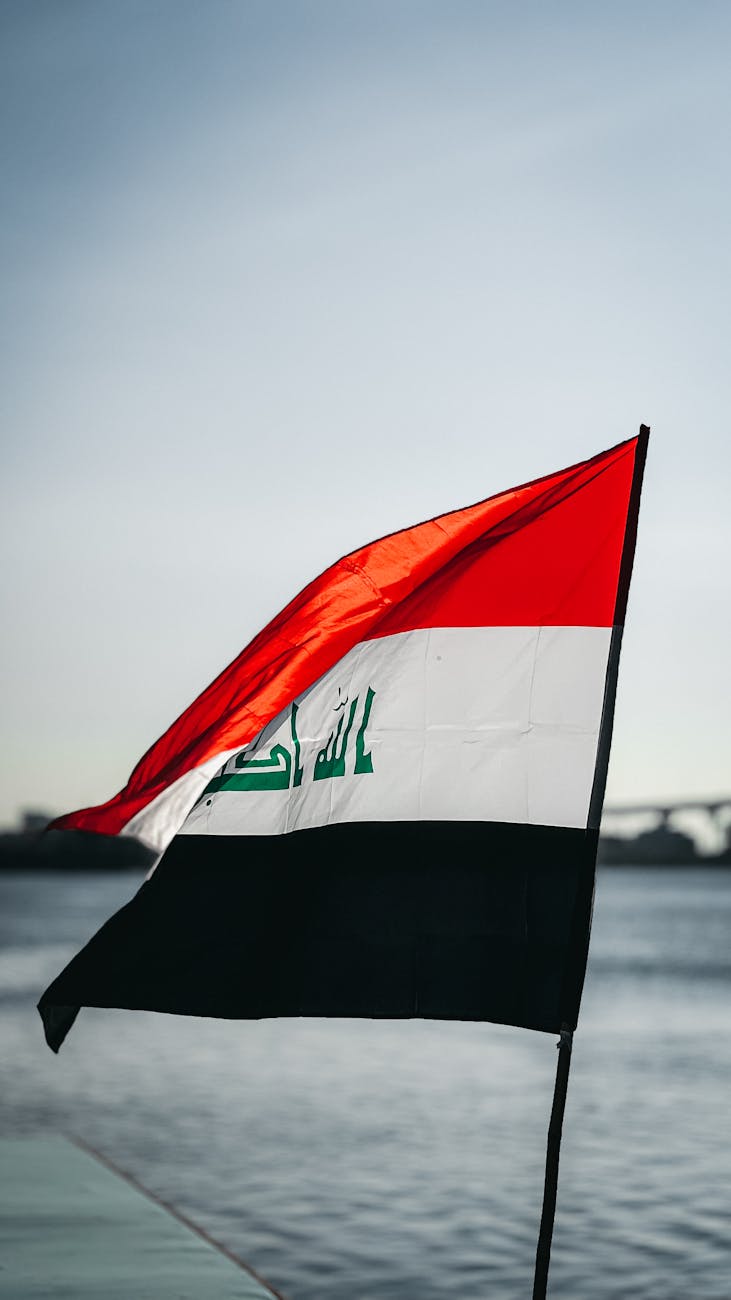
Chaldean Translator and Language Interpreter Services Worldwide
Chaldean Language: An Exploration of Interpretation and Tradition
Between ancient Mesopotamia and the contemporary world, the Chaldean language acts as a link thanks to its rich cultural and historical tapestry. We get into the intriguing field of Chaldean translation, examining the significance, difficulties, and distinctive features of Chaldean culture. Prepare to go out on a millennium-long linguistic adventure as you discover the complexities of a language that has withstood empires, migrations, and the passage of time. From Baghdad’s streets to expatriate groups throughout the world, the narrative of Chaldean and its speakers is one of persistence, adaptation, and the lasting strength of cultural identity.
What is the Chaldean Language and Who Speaks It?
The Chaldean language, often referred to as Chaldean Neo-Aramaic, is a Semitic language with a very old origin. Chaldeans, an ethnic group native to areas of Iran, Syria, and Iraq, are the main speakers of it. Many Chaldeans identify as descended from the ancient Babylonians and Assyrians and trace their ancestry to Mesopotamia.
Today, due to various factors including persecution and political instability, a significant Chaldean diaspora has formed in countries around the world. This dispersion has led to a growing need for Chaldean language services, including translation and interpretation, to bridge communication gaps and preserve cultural heritage.
How Does Chaldean Differ from Other Aramaic Dialects?
While Chaldean is often grouped under the broader umbrella of Aramaic languages, it possesses unique characteristics that set it apart. The Chaldean dialect has been influenced by its geographical origins and the historical experiences of its speakers. It shares some similarities with Assyrian Neo-Aramaic but has distinct vocabulary, pronunciation, and grammatical features.
Understanding these linguistic nuances is crucial for accurate translation and interpretation. Professional Chaldean interpreters and translators must be well-versed in these subtleties to ensure precise communication across languages.
What Are the Challenges in Chaldean Translation?
Translating Chaldean presents several unique challenges. First, the language has a relatively small speaker base compared to more widely spoken languages, which can make finding qualified translators more difficult. Additionally, Chaldean has absorbed influences from Arabic and other languages spoken in the regions where Chaldeans have settled, leading to regional variations in vocabulary and expressions.
Another challenge lies in the fact that Chaldean, like many minority languages, lacks standardized resources such as comprehensive dictionaries or grammar guides. This can make it more challenging for translators to navigate complex linguistic issues or find authoritative references for rare terms or phrases.
Why is Professional Chaldean Interpretation Important?
Professional Chaldean interpretation is vital in various settings, from healthcare and legal proceedings to business meetings and cultural events. Skilled interpreters bridge not just linguistic gaps but also cultural ones, ensuring that nuances, idioms, and cultural references are accurately conveyed.
In sensitive situations such as medical consultations or immigration hearings, the precision of interpretation can have significant consequences. This is where companies like LanguageXS play a crucial role, offering convenient over-the-phone interpretation and online translation services for the Chaldean-speaking community, as well as English and 240+ other languages and dialects. These services make information more accessible and foster inclusivity in diverse settings.
How Has the Chaldean Language Evolved Over Time?
The Chaldean language has a rich history that spans millennia. Its evolution reflects the historical journey of the Chaldean people, from ancient Mesopotamia to the modern diaspora. Over time, the language has incorporated elements from other languages it has come into contact with, particularly Arabic, due to geographical proximity and cultural interactions.
Despite these influences, Chaldean has maintained its core structure and many ancient words, providing a living link to the past. This historical depth adds another layer of complexity to Chaldean translation, as translators must often navigate between modern usage and historical references.
What Role Do Chaldean Interpreters Play in Preserving Culture?
Chaldean interpreters and translators play a vital role in preserving and promoting Chaldean culture. By facilitating communication between Chaldean speakers and the wider world, they help maintain linguistic vitality and cultural awareness. They also contribute to the documentation and study of the language, which is crucial for its long-term preservation.
Moreover, Chaldean linguists often serve as cultural ambassadors, explaining not just words but also customs, traditions, and historical context. This cultural mediation is especially important in diaspora communities, where younger generations may be less connected to their linguistic and cultural roots.
What Are the Key Features of Chaldean Grammar and Vocabulary?
Chaldean grammar shares many features with other Semitic languages, including a root-based system for word formation. Verbs play a central role in the language structure, with complex conjugation patterns that convey nuanced meanings. The vocabulary of Chaldean reflects its ancient origins, with many words tracing back to Akkadian and other ancient Mesopotamian languages.
Understanding these linguistic features is crucial for accurate translation. Professional Chaldean language services must employ translators who are not only fluent speakers but also have a deep understanding of the language’s grammatical intricacies and etymological roots.
How Can Technology Aid in Chaldean Translation?
While technology has revolutionized many aspects of translation, its application to less commonly spoken languages like Chaldean is still developing. Machine translation tools for Chaldean are limited, and their accuracy can be questionable. However, technology does play a role in supporting human translators and interpreters.
Digital dictionaries, terminology databases, and translation memory tools can aid Chaldean linguists in their work. Additionally, remote interpretation technologies, such as those offered by LanguageXS, enable Chaldean speakers to access interpretation services more easily, regardless of their location.
What Career Opportunities Exist for Chaldean Translators and Interpreters?
The demand for qualified Chaldean interpreters and translators has grown in recent years, particularly in countries with significant Chaldean diaspora populations. Career opportunities exist in various sectors, including healthcare, legal services, government agencies, and international organizations.
Chaldean linguists may work as freelance translators, conference interpreters, or in-house language specialists. Many find employment with language service providers like LanguageXS, which offer comprehensive Chaldean language services to a wide range of clients. The ability to bridge linguistic and cultural gaps makes Chaldean language professionals valuable assets in our increasingly interconnected world.
How Can Non-Speakers Engage with Chaldean Language and Culture?
For those interested in Chaldean language and culture but not fluent in the language, there are several ways to engage. Learning basic Chaldean phrases can be a start, and many online resources offer introductory lessons. Engaging with Chaldean literature in translation, attending cultural events, and exploring Chaldean history can also provide valuable insights.
Additionally, supporting organizations that work to preserve and promote Chaldean language and culture can contribute to the language’s vitality. This might include patronizing businesses that offer Chaldean language services or participating in cultural exchange programs.
In conclusion, the world of Chaldean translation offers a fascinating intersection of ancient heritage and modern communication needs. As we’ve explored, the role of Chaldean interpreters and translators extends far beyond mere linguistic conversion – they are custodians of culture, facilitators of understanding, and bridges between communities.
Key points to remember:
-
- Chaldean is a Semitic language with ancient roots, primarily spoken by ethnic Chaldeans.
-
- Professional Chaldean interpretation is crucial in various settings, from healthcare to legal proceedings.
-
- Chaldean translators face unique challenges due to the language’s limited resources and regional variations.
-
- The evolution of the Chaldean language reflects the historical journey of its speakers.
-
- Chaldean interpreters play a vital role in preserving cultural heritage and facilitating communication in diaspora communities.
-
- Understanding Chaldean grammar and vocabulary is essential for accurate translation.
-
- Technology is beginning to play a role in Chaldean translation, though human expertise remains paramount.
-
- Career opportunities for Chaldean linguists are growing, particularly in countries with significant Chaldean populations.
-
- Non-speakers can engage with Chaldean culture through language learning, literature, and cultural events.
By appreciating the complexity and richness of the Chaldean language, we gain not just linguistic knowledge, but also a deeper understanding of a vibrant culture with millennia of history. Whether through professional translation services or personal exploration, engaging with the Chaldean language opens doors to a fascinating world of cultural exchange and human connection.
Frequently Asked Questions
What languages does LanguageXS offer for over-the-phone interpretation?
LanguageXS provides interpretation services for over 240 languages and dialects, including Chaldean and English.
How quickly can I access a Chaldean interpreter through LanguageXS?
Interpreters are available 24/7, allowing you to connect with a qualified Chaldean interpreter within minutes of your request.
Are LanguageXS interpreters familiar with Chaldean culture and customs?
Yes, our Chaldean interpreters are not only linguistically proficient but also well-versed in Chaldean culture, ensuring culturally sensitive and accurate interpretation.
Can LanguageXS help with written Chaldean translation as well?
Absolutely. LanguageXS offers both interpretation and translation services for Chaldean, including document translation and localization.
How does LanguageXS ensure the quality of its Chaldean language services?
We employ native Chaldean speakers who are professionally trained and qualified. Our interpreters and translators possess extensive knowledge of the Chaldean language, including its various dialects and cultural nuances.
Is LanguageXS equipped to handle specialized terminology, such as medical or legal Chaldean?
Indeed. Our Chaldean linguists are experienced in various fields, including healthcare, legal, and technical domains, ensuring accurate communication in specialized contexts.
How does over-the-phone interpretation work for Chaldean speakers?
Users can easily access our service via phone. Once connected, a professional Chaldean interpreter facilitates communication between parties who speak different languages.
Can LanguageXS assist with Chaldean interpretation for immigration-related matters?
Yes, we provide Chaldean interpretation services for immigration proceedings, interviews, and document translation, helping to bridge linguistic barriers in these critical situations.