
Exploring the Enchanting Bajuni Islands: Home of the Bajuni People in Somalia
Where Do the Bajuni People Gather? An Insight into Their Social Spaces
Travelers and adventurers have long been enthralled by the Bajuni Islands, an amazing archipelago off the coast of Somalia in the Somali Sea. The Bajuni people, a distinct ethnic minority that has lived on these islands for centuries, provide a unique view into the lives of these exquisite islands with their immaculate beaches, blue oceans, and rich cultural legacy.
The Bajuni people are renowned for having a strong bond with the sea, and fishing is an essential component of both their way of life and cultural identity. Their language, Kibajuni, is a gem that captures the distinct customs and experiences of this seaside village. This essay will go into the interesting world of the Bajuni Islands, examining its language and way of life preservation, history, and culture.
What are the Bajuni Islands and Where are They Located?
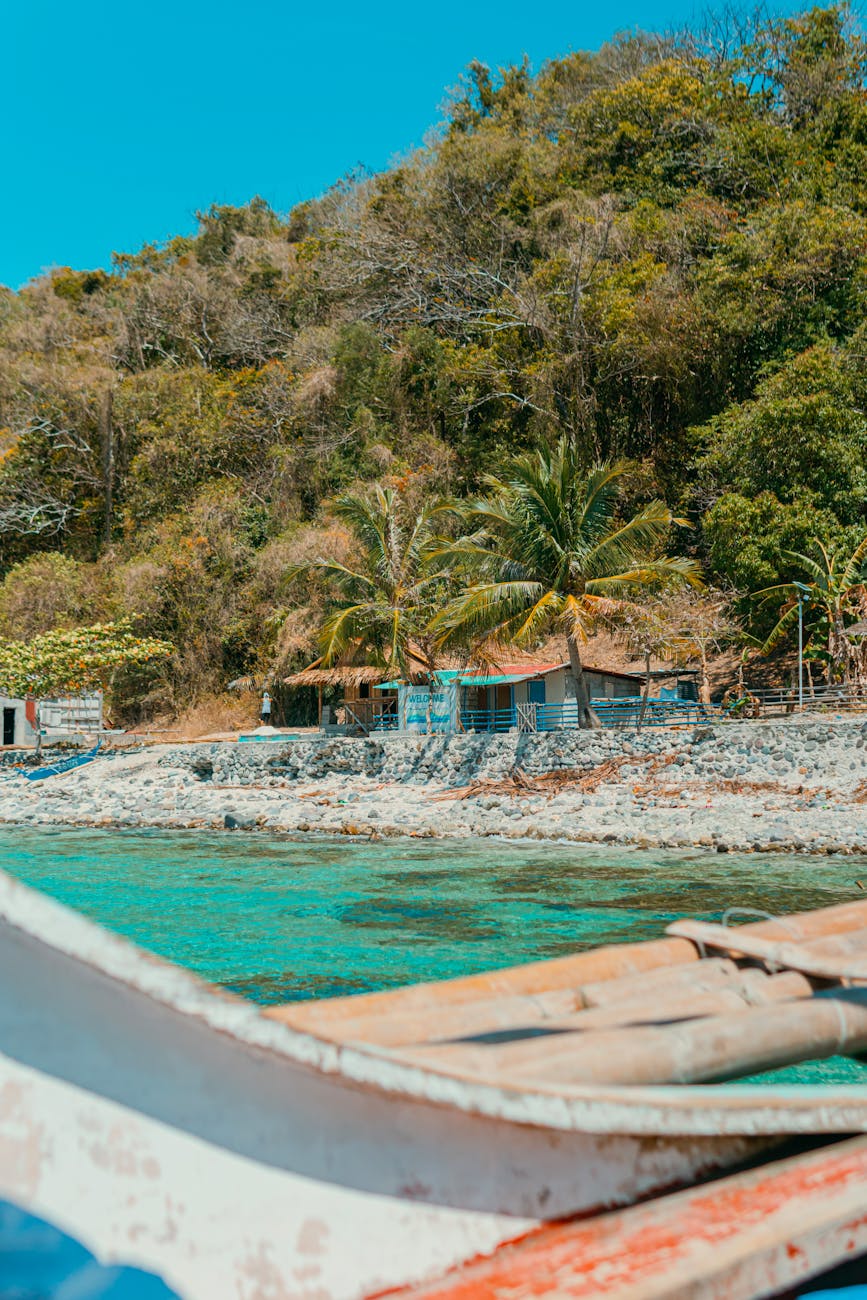
A breathtaking archipelago in the Indian Ocean, the Bajuni Islands are situated off the coast of Somalia. These islands, which are close to the port city of Kismayo, are a part of Somalia’s coastal region. They include Koyama, Chula, and many smaller islets. With their pristine waters, fine white sand beaches, and an abundance of luxuriant vegetation that resembles a tropical paradise, the Bajuni Islands are well known for their breathtaking natural beauty.
These islands, despite their remote location, have been crucial to the maritime history of the area, acting as major commerce hubs and giving their owners a tactical advantage. The Bajuni Islands are still a hidden treasure today, providing travelers with a unique chance to witness the real Bajuni way of life.
Unraveling the Mystery of the Bajuni People: A Unique Cultural Identity
The Bajuni people are an ethnic group with a rich cultural heritage that has been shaped by their close relationship with the sea. Their way of life is deeply intertwined with fishing, which not only provides them with sustenance but also defines their cultural identity. The Bajuni are skilled sailors and have an intimate knowledge of the ocean currents and weather patterns, which they have passed down through generations.
One of the most fascinating aspects of the Bajuni people is their language, Kibajuni, which is a dialect of the Somali language. This unique language reflects the experiences and traditions of the Bajuni community, incorporating words and phrases that are specific to their maritime way of life. Despite being a relatively small community, the Bajuni people have managed to preserve their language and cultural practices, which have been passed down from generation to generation.
The Vibrant Tapestry of the Bajuni Language: Preserving a Linguistic Gem
The Bajuni language, also known as Kibajuni, is a true linguistic gem that deserves to be celebrated and preserved. This dialect of the Somali language is spoken by the Bajuni people and is deeply rooted in their cultural identity. Kibajuni reflects the unique experiences and traditions of this coastal community, incorporating words and phrases that are specific to their maritime way of life.
One of the most fascinating aspects of the Bajuni language is its ability to capture the nuances of life on the sea. From terms describing different types of fish and fishing techniques to expressions that convey the ever-changing moods of the ocean, Kibajuni is a linguistic treasure trove that offers a glimpse into the rich cultural heritage of the Bajuni people.
Preserving the Bajuni language is not only important for maintaining the cultural identity of this community but also for ensuring the survival of a unique linguistic heritage. As the world becomes increasingly globalized, it is crucial to recognize and protect endangered languages like Kibajuni, which hold the keys to understanding the diversity of human experiences and perspectives.
A Harmonious Blend: How the Bajuni People Follow the Laws of Islam
The Bajuni people are devout followers of Islam, and their faith plays a central role in their daily lives. The principles of Islam are intricately woven into their cultural practices, creating a harmonious blend of religious and traditional beliefs.
One of the most significant aspects of the Bajuni people’s adherence to Islam is their commitment to performing the five daily prayers. This ritual not only serves as a spiritual practice but also acts as a unifying force for the community, bringing them together at regular intervals throughout the day.
In addition to their devotion to prayer, the Bajuni people also follow Islamic teachings in other aspects of their lives, such as their dietary practices and the observance of religious holidays and celebrations. Their lives revolve around the mosque, which serves as both a spiritual and social hub for the community.
The Role of the Mosque in Bajuni Life: A Spiritual and Social Hub
The mosque plays a crucial role in the lives of the Bajuni people, serving not only as a place of worship but also as a social and cultural center. In the Bajuni community, the mosque is more than just a religious institution; it is a gathering place where important decisions are made, disputes are resolved, and community events are organized.
One of the most significant functions of the mosque in Bajuni life is its role in education. From a young age, Bajuni children are taught the principles of Islam and the importance of preserving their cultural heritage. The mosque serves as a place of learning, where elders and religious leaders impart their knowledge and wisdom to the younger generations.
Moreover, the mosque is a space where the Bajuni people come together to celebrate important occasions, such as religious festivals and community events. It is a place where the bonds of kinship and shared experiences are strengthened, and the sense of belonging to a distinct cultural identity is reinforced.
Unveiling the Bajuni Tribal Lands: A Discussion of Traditionally Inhabited Areas
The Bajuni people have a deep and longstanding connection to the coastal areas of Somalia and Kenya, where they have traditionally inhabited a series of islands and coastal regions. One of the most significant areas associated with the Bajuni is the Bajuni Islands themselves, located off the coast of Somalia.
However, the Bajuni people’s tribal lands extend beyond these islands, stretching along the coast of Somalia and into parts of Kenya. Historically, the Bajuni have inhabited areas such as the port city of Kismayo in Somalia, as well as the Lamu Archipelago and the coastal regions around Mombasa in Kenya.
Understanding the traditional lands of the Bajuni people is crucial for appreciating their cultural heritage and the challenges they have faced in preserving their way of life. As with many indigenous communities, the Bajuni have experienced displacement and struggles over land rights, making the documentation and recognition of their tribal lands an important aspect of their ongoing efforts to maintain their cultural identity.
The Bajuni People’s Struggle: Abandonment and Fight for Lawful Rights
Despite their rich cultural heritage and deep connection to the coastal regions of Somalia and Kenya, the Bajuni people have faced significant challenges in recent decades. One of the most pressing issues they have confronted is the abandonment and neglect by both the Somali and Kenyan governments, which have often overlooked the needs and rights of this marginalized community.
The Bajuni people refer to this period as a time of abandonment, during which their lawful rights and access to resources were severely limited. This situation has led to a struggle for recognition and the assertion of their rights as an indigenous people group.
In recent years, the Bajuni community has become increasingly vocal in their fight for their lawful rights, advocating for greater representation, access to education, and the preservation of their cultural practices. Organizations such as Africa’s Intergovernmental Authority on Development (IGAD) have played a crucial role in supporting the Bajuni people’s efforts to have their voices heard and their rights upheld. Through grassroots movements and international advocacy, the Bajuni are determined to secure a future where their unique culture and way of life are celebrated and protected.
Frequently Asked Questions about Kibajuni Interpretation
What is the Bajuni language and who speaks it?
Kibajuni is a dialect of the Somali language spoken by the Bajuni people, an ethnic group indigenous to the Bajuni Islands off the coast of Somalia. It reflects their unique maritime culture and traditions.
Why is preserving the Kibajuni language important?
Kibajuni is an endangered language at risk of extinction. Preserving it helps maintain the rich cultural identity and heritage of the Bajuni community.
How can interpretation services assist the Bajuni community?
Over-the-phone interpretation through LanguageXS gives Kibajuni speakers access to information and services in their native language, fostering inclusivity and cultural preservation.
What makes LanguageXS interpretation unique for Kibajuni?
LanguageXS provides on-demand Kibajuni interpretation by native speakers, overcoming language barriers in sectors like healthcare, legal aid, education and more.
How does LanguageXS ensure quality Kibajuni interpretation?
Interpreters are rigorously screened professionals bound by a code of ethics. Call recordings and quality assurance processes ensure accurate communication.