
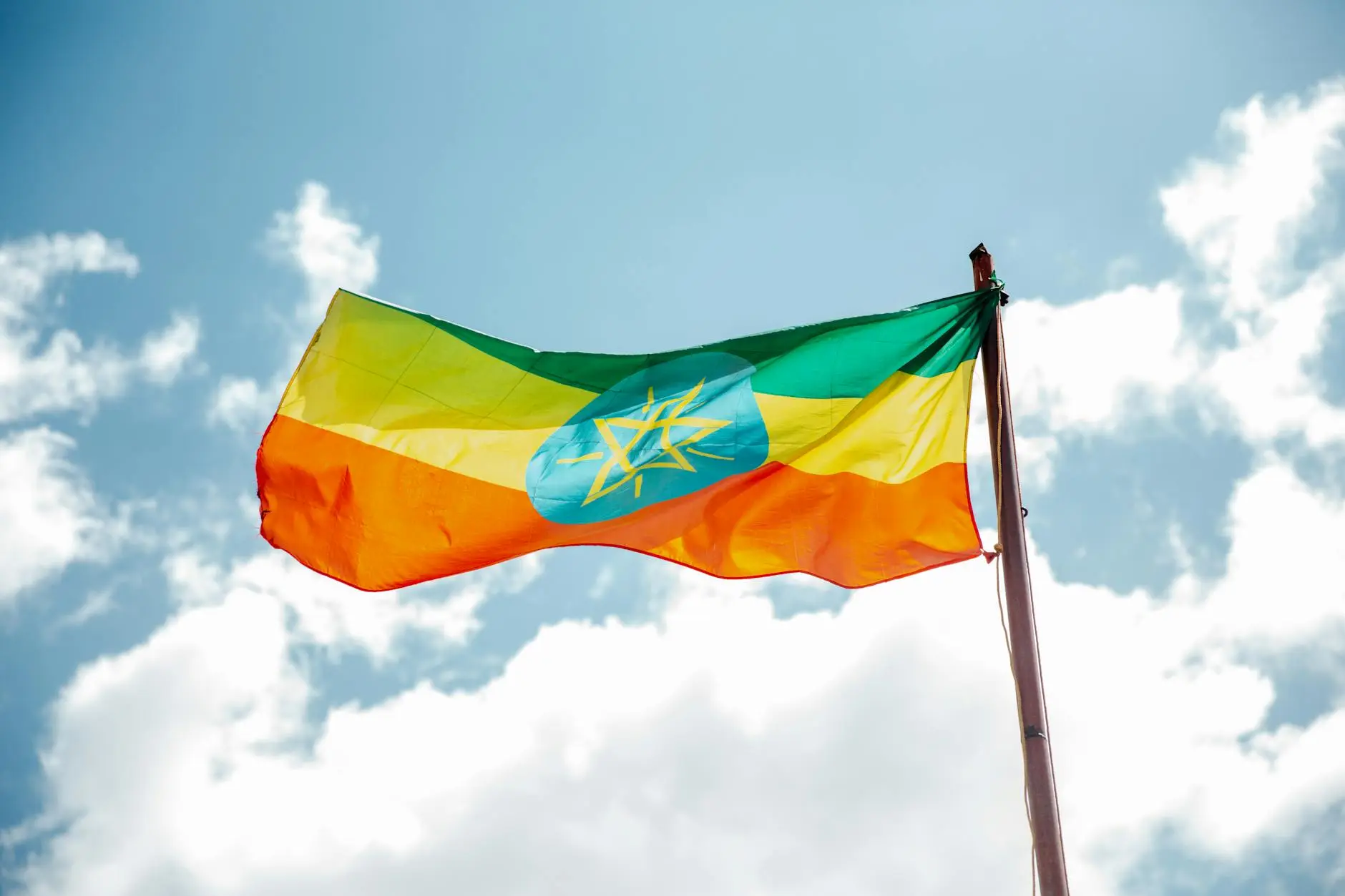
The Afar Language: A Necessity for Afar People of Ethiopia living in America
The Afar People: An Ancient Tribe of Warriors and Nomads Inhabiting the Horn of Africa
The Afar people, also known as the Danakil, are an ethnic group living primarily in the Horn of Africa, with large populations in Ethiopia, Eritrea, and Djibouti. For centuries, they have inhabited the harsh but beautiful landscape of the Danakil Depression in the Afar Regional State of Ethiopia. They have a proud, resilient culture and speak their own Cushitic Afar language. Read on to learn more about this little-known but fascinating ethnic group!
Why Are the Afar People Important to Understand?
The Afar have maintained their independent culture despite colonization and border shifts in the region over the last 150 years. As one of the major ethnic groups shaping the Horn of Africa for ages, the Afar way of life provides insight into traditions and worldviews stretching back for millennia. From their expert survival in desert terrain to their intricate clan social structure, the Afar people open a window to appreciating this desert region in all its complexity.
Additionally, learning about underserved communities like the Afar highlights opportunities to provide key services–from infrastructure to communications access–to improve people’s wellbeing. Understanding issues facing the Afar empowers humanitarian groups to better serve them.
Where Do the Afar People Reside in the Horn of Africa?
The homeland of the Afar people lies in the so-called “Afar Triangle,” a harsh desert region spanning across Ethiopia, Eritrea, and Djibouti. Most Afar live in Ethiopia in the Afar Regional State–which contains the Danakil Depression and stretches to areas alongside the Red Sea–while many other Afars inhabit northwestern Djibouti or eastern Eritrea near the coastal border with Djibouti.
The epicenter of the Afar territory is the sweltering Afar Depression, one of the hottest and most unforgiving locations on Earth. Much of their traditional homeland falls in the Danakil Desert, stretching across salt pans, volcanoes, and beds of sulfur and mineral resources. Temperatures soar well above 120 °F in the region regularly. Life amidst the beautiful but extreme landscape has been both isolating and protective for the Afar people over centuries of relative independence.
What Is the Size and Significance of the Afar Population in the Horn of Africa?
Estimates of the total Afar population range between 2 and 4 million, making them one of the more prominent ethnic minorities in the Horn of Africa countries. Afars likely number around 1.3 million in Ethiopia alone, about 1.5% of the national population. Their numbers give them political and economic clout in federal affairs.
In Eritrea and Djibouti, where Afars likewise contribute to the multicultural fabric, estimates suggest roughly 650,000 Afars live in the former and around 390,000 in the tiny country of Djibouti. In the latter, they constitute the third largest population group after Somalis and Afars. Across borders then, Afars make up a vital thread in the broader regional culture.
How Did the Afar Develop Their Resilient Desert Culture?
The foundations of Afar culture trace back thousands of years to early hunter-gatherers in the Eritrean highlands and gradually nomadic pastoralists spreading across the Horn landscape. Archaeologists have found evidence of hominids present over 3 million years ago in the ancestral Afar region around the Awash Valley in Ethiopia, adding to rich fossil records.
Through the harsh millennia roaming the Danakil with its limited water and extreme heat, the Afar forged a resilient society bound to the desert–crafting survival methods suited to the environment. They were relatively isolated from other groups by the surrounding landscape for long periods. The Afar cultivated unique cultural traditions, language, and clan structure during their history while maintaining continuity in livelihood and worldviews over eras.
What Are the Different Afar Groups and Societal Structure?
The Afar people organize themselves into numerous distinct clans and sub-clans, which serve as the central social institutions regulating life. Membership ties Afars to ancestral lineages and confers responsibilities for mutual aid and broader duties. Traditionally, certain clans specialized in religious leadership roles, trade, farming oases, or fishing along the Red Sea shore.
Some broader groupings split the Afar people according to territory, such as the northern and southern Afar in Ethiopian and Eritrean lands respectively. However, Afars share cultural practices and language across borders now, adapting local traditions like wealth customs and coming-of-age rituals to modern times. Clan gatherings support cooperation.
As rugged individualists despite close community bonds, Afar households traditionally consisted of a man, his wife or wives, and children. The elder male heads family group decisions, from arranging marriages to resolving conflicts and negotiating needs with other subgroups under traditional governance.
What Are Interesting Facts About Afar History and Autonomy Struggles?
As early powerful kingdoms like Aksum rose around the Afar region over 2,000 years ago, the nomadic desert pastoralists remained largely independent despite proximity to civilizations that tried to dominate them. However, threats to autonomy accelerated in the 19th century when outsiders sought to control Afar salt resources and trade routes.
In the late 1800s the Ethiopian emperor ordered the annexation of the Afar Sultanate of Aussa. Subsequently, European imperial powers like Italy invaded during their African colonization drives. Afar lands fell under control of Italian East Africa prior to World War II, which further disrupted political alignments in the Horn of Africa once independence later shook colonization.
Through the political chaos of following decades, the Afar launched autonomy struggles in Ethiopia and Eritrea. Resenting repression and loss of salt rights, Afars formed nationalist militant wings like the Afar Revolutionary Democratic Unity Front to fight governments into recognizing self-administration rights. They finally achieved state status in Ethiopia in 1995.
What Are Some Key Aspects of the Afar Culture and Way of Life?
-
- Incredible Resilience in Harsh Landscape – Surviving average temperatures over 120 °F takes amazing stamina. Afars traverse the desert terrain with ease to care for prized camel herds and other livestock vital to communities. Their mastery of desert survival–finding scattered vegetation for grazing, digging wells, and more–stems from generations adapting to the environment. Seasonal patterns shape routines.
-
- Camel, Goat and Cattle Herding as Key to Society – Like generations of ancestors, most Afars today raise livestock as the central livelihood ensuring their diet and economy. Camels in particular provide milk products critical to the Afar diet and can withstand the arid climate well. Livestock serve as wealth displays and transaction sources when paying significant social debts. Branding signals ownership.
-
- Adherence to Islam Centuries Deep – Converted to Islam by traveling Arabian traders and clerics generations past, most Afars follow the religion devoutly today in symmetrical harmony with traditional elements like spirit possession. Mosques anchor communities, Islamic leaders hold authority for rituals, and other Muslim practices mold life. But some Afars in Ethiopia retain Christian faith too.
-
- Cultural Traditions Guiding Major Events – As in societies globally, pivotal Afar individual and group moments carry weight of rituals and shared experiences. But uniquely Afar cultural touchpoints like the hamoudo coming-of-age celebration for boys or the meddle lipid tattooing ceremony for women reinforce bonds and values. Circumcision and marriages likewise follow cherished guidelines.
What Should People Know About the Afar Language?
The Afar language, also known as Qafar, derives from the Cushitic branch of the Afroasiatic family–a long lineage includes other regional languages like Somali or Oromo. Complex terms aptly capture nuances of desert life. It relies on Latin script today and varies slightly in dialects across zones, but retains linguistic coherence as mother tongue to probably over a million people regionally.
With many sounds unfamiliar or difficult for outsiders, Afar is one of Eritrea and Ethiopia’s officially recognized languages but remains minimally written. Oral traditions and poetry carry cultural messages. As generations weather advancing globalization though, language preservation grows urgent to maintain identity. Its vital documentation is still unfolding.
Taxing issues like dire poverty and droughts afflicting Afars also underscore practical needs to access public services or aid in familiar, accurate wording. Translating administrative materials into Afar and interpreters assisting healthcare, courts, businesses demonstrate humanitarian commitments to inclusion. But quality translations centered on beneficiaries’ priorities stay scarce.
Why Do Afar People Need Improved Communication Services and Rights Protection?
Despite resilience inscribed in the long Afar history, contemporary marginalization and conflicts threaten livelihoods and wellbeing today. Environmental volatility hitting crops undermines food security already strained by poverty for pastoralists and farmers. Stifled political rights, plus tensions like the bloody 2020 Metekel Zone clashes, add instability risks. Many Afars struggle with accessing education, healthcare, and development modules created for mainstream societies.
Barriers of language and cultural disconnect exacerbate vulnerability when navigating crushing settings without interpreters across potential resources–from hospitals to banks to infrastructure planning meetings. Deploying communications specialists means progress so Afars can convey needs on their terms to officials, aid agencies, and society writ large. More literacy projects also enable documenting heritage and contemporary voices to bolster human rights.
How Can Translation Services Help Bridge Divides for the Afar Community?
In an increasingly interconnected world, ensuring information flows inclusively in original forms without dilution is crucial for just societies. But permitting linguistic minorities like Afar people to access modern systems on fair ground through accurate translations equally enables progress. It dismantles assumptions that meaningful change only happens in dominant languages.
Services offered by language industry leaders like LanguageXS in locations worldwide bridge deep divides, opening doors for ethnic groups to relay experiences while also grasping new concepts on their own cultural terms. Via convenient interpretation access from offices globally, experts racism affects everyone essay break language barriers for key needs like medical counsel, legal disputes, job applications and more so the vulnerable can navigate concerns.
Translation is about more than words alone: it enables sharing power equitably across all levels of society. The Afar people, whose voices have gone unheard by the broader world for so long, deserve that opportunity to tell their story as they experience it. They offer much wisdom. We must only open the space for them to share it.
Conclusion: Key Takeaways on the Fascinating, Tenacious Afar Culture
In review, the small but mighty Afar people offer inspiration and a window to the Horn of Africa’s diversity through their centuries-old stories of ingenuity conquering geography through:
-
- Expertise surviving in one of Earth’s most extreme landscapes ecologically
-
- Complex clan social fabric binding ethnic group through evolving eras
-
- Stunning resilience and autonomy preserved despite outside conquests
-
- Traditions and linguistics crystallizing their quests to thrive
-
- Pressing modern inclusion gaps that ethical progress must address
Treasuring Africa’s manifold communities in all their richness – from histories to visions forward – crafts mutually fruitful ties and helps construct just futures. The Afar’s voices glimmer with potential to enlighten the world. May global ties empower them to share irreplaceable wisdom while accessing new stability tools. Progress depends on celebrating languages conveying unheard truths.
Frequently Asked Questions About Afar Translation Services
Why is translation important for the Afar people?
The Afar people have a rich cultural history and language spanning Ethiopia, Eritrea, and Djibouti. However, many Afars struggle to access essential services and opportunities due to language barriers. Quality translation services help bridge divides by empowering Afars to communicate vital needs, rights, and traditions on their own terms.
What services does LanguageXS provide to the Afar community?
LanguageXS offers convenient over the phone interpretation services in 260+ languages. Afar speakers anywhere in the world can connect on-demand with professional Afar interpreters via toll-free numbers for key needs like medical counsel, legal disputes, social services, job applications and more.
How do over the phone interpretations work?
Over the phone interpretation enables real-time dialogue by connecting Afar speakers to interpreters using a telephone line. Clients first select their language using the LanguageXS menu prompts or agent assistance if needed. Interpreters quickly join the call to facilitate discussions between both parties to exchange vital information, advice, documents and more.
How does LanguageXS recruit skilled Afar interpreters?
LanguageXS maintains high standards selecting native-level Afar interpreters with training in interpretation protocols plus cultural/subject competencies like medical terminology. They undergo rigorous screening and reference checks to verify skills. Continual professional development and quality monitoring ensure excellence.
What ethical principles guide LanguageXS Afar translations?
From recruiter diversity to respecting indigenous intellectual property to prioritizing marginalized language services, LanguageXS’ practices further inclusion and empower communities to direct dialogue on their cultural terms. Afar interpreters enable two-way dialogue conduits to drive progress.
How are LanguageXS interpretation services cost-friendly for underserved groups like the Afar?
Customers can sign up for LanguageXS interpretations for free without any subscription fees. You only pay for the actual time you use the phone interpretation service on a per-minute basis. This pay-as-you-go model with no hidden fees makes services affordable for vulnerable groups.
How can governments, companies and humanitarian groups access LanguageXS’ Afar interpretations?
Organizations striving to reach vulnerable Afar community members can easily tap into LanguageXS for staff training, event translations, field activity assistance overseas, and tailored services. Contact LangaugeXS today to explore options!