
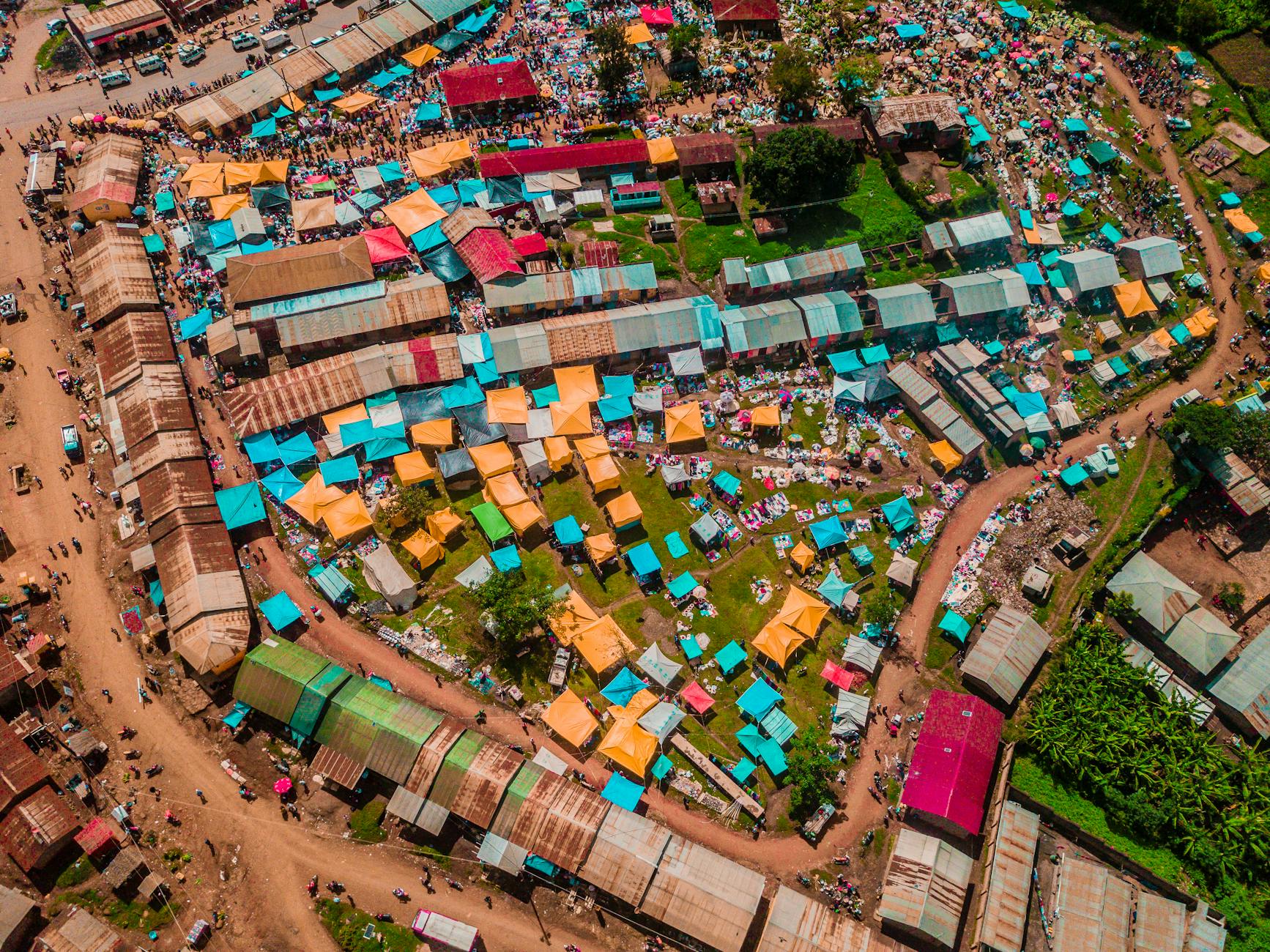
Journey into Ashanti Culture: Where do the Asante People Live?
Unveiling the Rich Culture of the Asante People
The Asante, also known as the Ashanti people, are a prominent ethnic group in Ghana with a captivating history and vibrant cultural traditions. This article delves into the lives and experiences of the Asante community, offering a comprehensive understanding of their way of life and the significance of their customs. Whether you’re a cultural enthusiast, a traveler, or someone seeking to broaden your horizons, this piece promises an insightful and engaging exploration of the Asante people.
Who Are the Asante People and Where Do They Live?
The Asante are a major ethnic group in Ghana, primarily residing in the Ashanti Region, which is located in the center of the country, away from the coast. Their capital city is Kumasi, a bustling metropolis that serves as the cultural and economic hub of the region.
The Significance of Clans in Asante Society
In the Asante culture, clans play a crucial role in defining an individual’s identity and lineage. It is believed that a child inherits their soul or spirit from their father’s clan, relating them more closely to the paternal side of the family.
Asante Family Structure: An Extended Network
The Asante live in an extended family system, where the family unit extends beyond the nuclear household. Typically, an extended family lives in various homes or huts set up around a courtyard, with the oldest brother serving as the head of the household.
Ashanti Religion: A Blend of Spiritual and Supernatural Beliefs
The Asante religion is a mixture of spiritual and supernatural powers, incorporating a variety of religious beliefs involving ancestors. One of the most significant symbols in Asante culture is the Golden Stool, which is considered sacred and represents the worship of ancestors.
What is the Golden Stool, and Why is it So Sacred to the Ashanti?
The Golden Stool is a revered symbol among the Asante people, believed to contain the sumsum or soul of the nation. It is considered so sacred that no person whatsoever is allowed to sit upon it, and it must never come in contact with the earth or the ground, lying instead on its own stool or on the skin of an animal such as the leopard.
The Asante Empire: A Glorious Past and Cultural Legacy
The Asante Empire was a powerful kingdom that dominated parts of modern-day Ghana and neighboring regions during the 17th and 18th centuries. The council of elders, led by the paramount chief, played a vital role in governing the empire and preserving its cultural traditions.
Kente Cloth: A Vibrant Tradition in Asante Weaving
One of the most renowned aspects of Asante culture is the kente cloth, a colorful and intricately woven fabric that holds significant cultural and symbolic meaning. Different patterns in weaving often represent social status or specific events.
Ashanti Language: A Linguistic Treasure
The Asante people speak a dialect of the Akan language, which is a part of the larger ethnic group of the Akans in West Africa. Preserving and promoting the Asante language is an essential aspect of the community’s efforts to maintain its cultural identity.
Preserving Asante Traditions in Modern Times
Despite the influences of globalization and modernization, the Asante community remains committed to preserving its rich cultural heritage. Elders play a crucial role in passing down traditions and ensuring that younger generations understand the significance of their customs and beliefs.
LanguageXS: Bridging the Communication Gap for the Asante Community
For those who may need assistance in communicating with the Asante-speaking community, LanguageXS offers convenient online and over-the-phone interpretation services. With a team of professional interpreters fluent in the Asante language, LanguageXS ensures seamless communication, bridging cultural gaps and facilitating understanding.
In summary, the Asante people of Ghana possess a rich cultural tapestry woven with traditions, beliefs, and customs that have been preserved for generations. From the sacred Golden Stool to the vibrant kente cloth, the Asante culture offers a unique glimpse into the diverse tapestry of West African heritage. As we navigate an increasingly interconnected world, services like LanguageXS play a vital role in fostering understanding and facilitating communication across cultural boundaries.
Frequently Asked Questions
How can LanguageXS assist the Asante-speaking community?
LanguageXS understands the importance of preserving cultural identities, including linguistic diversity. By offering over-the-phone interpretation services in the Asante language (a dialect of the Akan language spoken by the larger ethnic group of Akans in West Africa), LanguageXS bridges the communication gap, enabling seamless interactions between the Asante community and those unfamiliar with their language.
What are the benefits of using LanguageXS’s interpretation services?
LanguageXS’s team of professional interpreters, fluent in the Asante language, ensures accurate and culturally sensitive communication. This service is particularly valuable in sectors such as healthcare, legal services, and education, where clear understanding is crucial. By facilitating effective communication, LanguageXS empowers the Asante community to access essential services without language barriers.
Is it rare for the Asante people to seek interpretation assistance?
No, it is not uncommon for members of the Asante community to seek interpretation assistance, especially in regions where their language may not be widely spoken. LanguageXS recognizes the importance of preserving cultural identities and promotes inclusivity by offering language support services. This allows the Asante people to maintain their linguistic traditions while accessing vital resources and opportunities.
Can LanguageXS’s services be used for personal or business purposes?
Absolutely! LanguageXS’s over-the-phone interpretation services cater to both personal and business needs. Whether you require assistance with personal matters, such as communicating with Asante-speaking relatives or friends, or professional contexts like negotiating business deals or facilitating cross-cultural collaborations, LanguageXS’s interpreters are well-equipped to support your communication requirements.
By incorporating LanguageXS’s interpretation services, the Asante community can confidently navigate various spheres of life while preserving their cultural and linguistic heritage. This commitment to inclusivity and understanding aligns with the core values of the Asante people, who have long celebrated the richness of their traditions.