
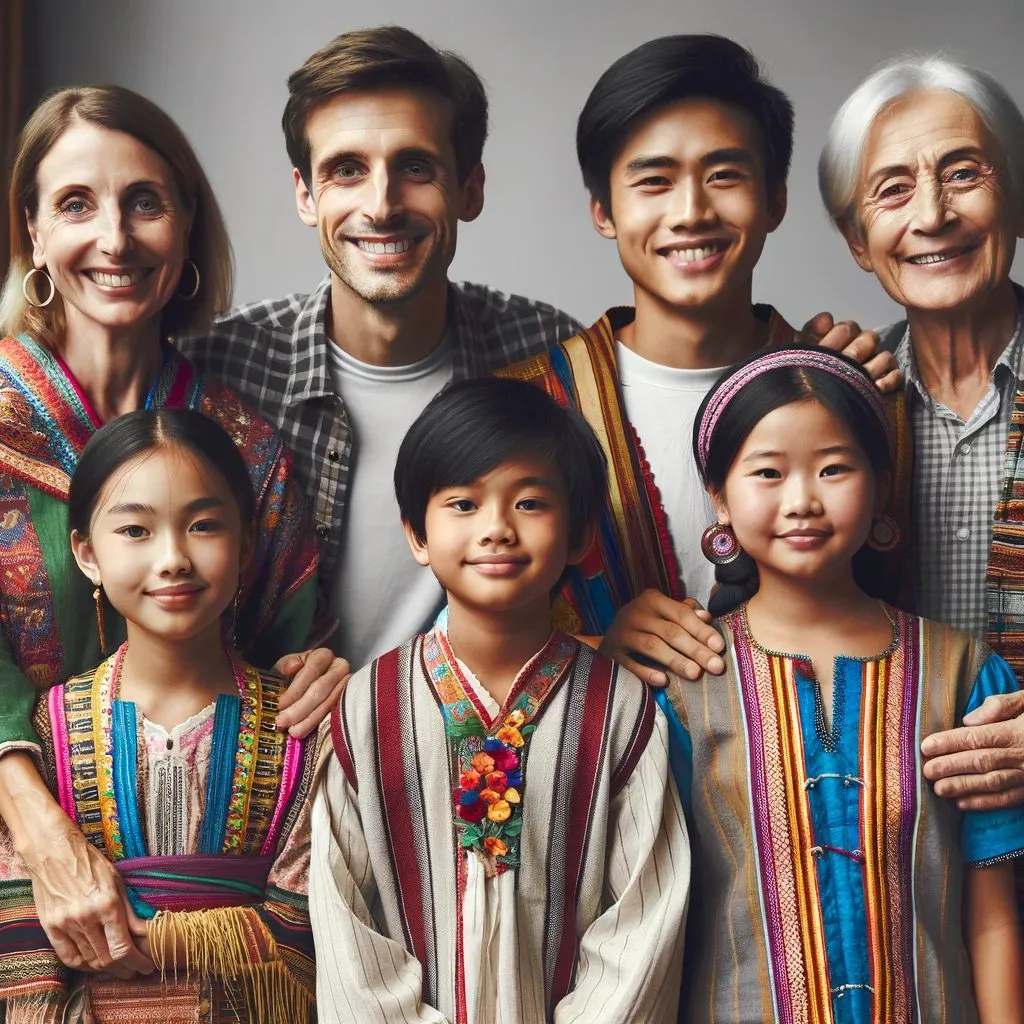
Connecting with Karenni Communities Through Professional Karenni Language Translator and Interpretation
For the growing number of Karenni people building new lives in America, language barriers can isolate individuals and limit access to vital services. Professional Karenni language translator and interpreters help bridge this divide by empowering clear communication and deeper cultural understanding. This article explores the background of the Karenni population, the value of language services, and how providers like LanguageXS assist through on-demand remote interpreting.
Who Are the Karenni?
The Karenni people are an ethnic minority from Myanmar, formerly known as Burma. The largest populations are found in Myanmar’s Kayah State and southern Shan State. They are also referred to as “Red Karen” due to traditional red clothing.
For decades, the Karenni have endured persecution and armed conflict in Myanmar. This has prompted waves of displacement and migration. Today, thousands of Karenni live abroad as refugees or immigrants, including a growing population in the United States.
Estimating the Karenni American Population
Due to their refugee and immigrant background, it is difficult to precisely estimate the size of the Karenni American community. However, current projections place the population at 13,509 people.
Major settlement areas include Indianapolis, Indiana, which is home to one of the largest concentrations of Karenni people in the US. Other major communities are found in Orange County, California; Houston, Texas; Seattle, Washington; and St. Paul, Minnesota.
Diversity Within the Karenni Population
While the Karenni are considered one ethnic group, there is actually diversity within the population. The main subgroups are the Kayah, Kayan, Manu Manaw, Yintale, Yinbaw, and Gaybar.
There are also several related languages and dialects. The two main written standards are Kayah and Karenni, both part of the Tibeto-Burman language family. Many Karenni Americans speak their mother tongue at home and preserve their distinct cultural traditions.
Facing Linguistic and Cultural Barriers
For newly-arrived Karenni immigrants and refugees, limited English proficiency poses a significant challenge. Without language skills, people struggle to access healthcare, education, employment, legal services, housing, and government agencies.
On the other hand, Karenni Americans born in the US often lose their native language abilities over generations. This slowly erodes connections to cultural identity, family heritage, and community traditions.
Bridging these linguistic and cultural barriers requires more than just vocabulary translation. It demands a deeper understanding of cultural contexts and nuanced meanings. Professional Karenni language translator and interpreters provide this insight.
Empowering Active Participation
Quality language services allow the Karenni community to actively participate at all levels of American society.
For individuals and families, translation and interpretation provides access to:
- Healthcare – understanding symptoms, treatments, instructions
- Education – communicating with teachers, assisting children
- Employment – workplace safety, company policies, job training
- Housing – applications, agreements, tenant rights
- Government services – social security, immigration processes
For Karenni businesses, accurate translators and interpreters enable owners to serve customers, hire staff, and navigate regulations.
Within the broader public sector, linguists allow equitable delivery of services to Karenni residents by local, state and federal agencies.
When communication flows freely, the Karenni community can thrive socially, economically, and politically.
The Value of Professional Karenni Language Translator and Interpreters
Facilitating clear understanding between languages and cultures requires more than just vocabulary skills. Professional Karenni language translator and interpreters provide:
Language Expertise – Fluency in written and conversational Karenni and English to convey the right meaning. Knowledge of dialects, slang, idioms and context.
Cultural Insight – Grasping cultural nuances, customs, values. Translating concepts, not just words.
Specialized Knowledge – Healthcare, legal, technical vocabulary. Understanding complex processes and systems.
Communication Skills – Conveying messages accurately and completely. Clarifying ambiguous meanings. Connecting interpersonally.
Ethics – Confidentiality, transparency, impartiality. Adhering to professional codes of conduct.
These capabilities allow professional linguists to enable understanding far beyond replacing one word with another.
Scenarios Where Professional Services Are Vital
Quality Karenni language translator services are especially valuable in high-stakes situations with legal, health, or safety implications:
Healthcare – Registering at clinics, describing symptoms, understanding diagnoses, following treatment instructions, taking prescriptions correctly. Clear communication impacts health outcomes.
Legal System – Navigating police interviews, court hearings, probation meetings. Due process relies on ensuring defendants, victims, and witnesses can participate fully.
Schools – Enabling parents to engage in their children’s education. Bridging language gaps for students.
Social Services – Accessing benefits, immigration processes, disability support. Completing applications accurately.
Workplaces – Ensuring safe conditions. Upholding labor rights. Conveying company policies.
On-Demand Karenni Language Translator Interpreting Through LanguageXS
As a leading language services provider, LanguageXS offers a complete range of professional Karenni translation and interpretation solutions delivered quickly and cost-effectively online.
Connecting Remotely with Karenni Interpreters
In today’s interconnected world, having an interpreter physically present is not always practical or affordable. Remote interpreting bridges geographic and cost barriers.
With remote interpreting, Karenni interpreters connect with clients in real-time using secure virtual meeting platforms. This facilitates remote medical consults, legal proceedings, business meetings and personal situations.
Over-the-phone interpreting (OPI) enables rapid language assistance by conference calling professional Karenni linguists. Helpful examples include emergency services, academic advising or connecting parents to school administration.
Key Benefits of On-Demand Remote Interpreting
- Convenience – Easy access without travel constraints. Services available 24/7.
- Cost-effectiveness – Pay only for time used. No travel expenses.
- Quick connections – Get interpreters rapidly on-demand.
- Security – Services delivered across secure, HIPAA/HITECH compliant platform.
- Professional standards – Experienced linguists follow codes of conduct.
- Cultural understanding – Bilingual Karenni interpreters provide context beyond language.
How LanguageXS Delivers Excellence Karenni Language Translator
With a network of professional Karenni linguists, LanguageXS provides:
- Rigorous recruitment standards ensure native fluency, multicultural awareness, ethics.
- Ongoing training on interpretation skills, industry practices, new technologies.
- Experienced interpreters with legal, healthcare, technical vocabulary expertise.
- Customized services to accommodate regional dialects, specialized terminology.
- Secure virtual meeting platform to connect remote interpreters.
- Per minute pricing with no hidden fees and volume discounts available.
By providing 24/7 access to professional Karenni language translator or interpreters online, LanguageXS enables organizations and individuals to communicate effectively across language and culture anywhere, anytime. Breaking down communication barriers helps build stronger communities.
Connecting Across Languages and Cultures
For Karenni people, thriving in their adopted homeland often means adapting to American culture while preserving traditional heritage. Quality interpreters and translators empower individuals and organizations to navigate this cross-cultural journey by fostering understanding. More than simple vocabulary translation, professional language services provide a bridge to overcome isolation and create inclusive communities.